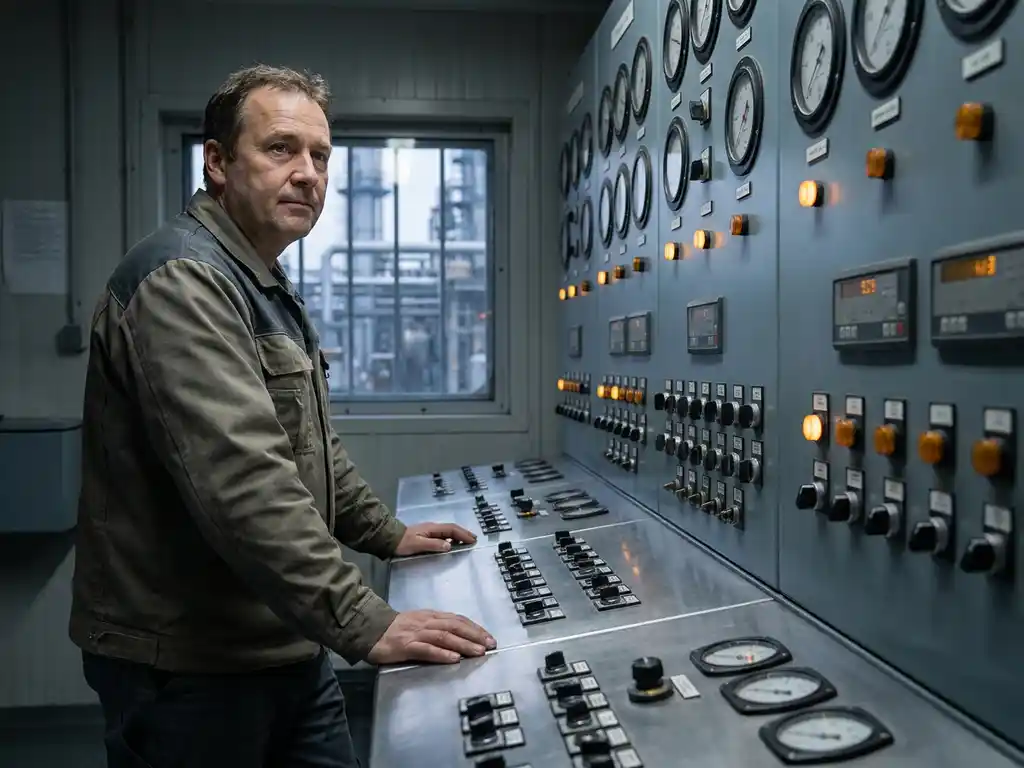

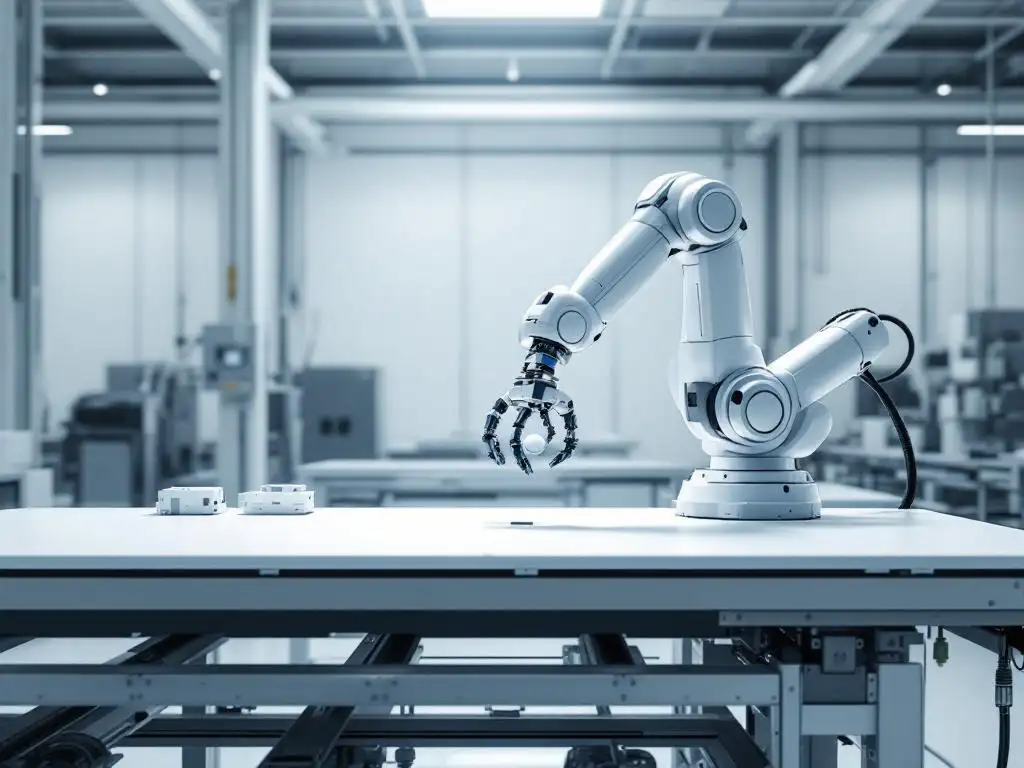
Small manufacturers can absolutely benefit from industrial automation, even with limited budgets and smaller operations. Modern automation technology has become more accessible and affordable, offering solutions that scale to fit smaller production environments. These systems help small manufacturers compete with larger companies by improving efficiency, reducing costs, and maintaining consistent quality standards.
What is industrial automation and why should small manufacturers consider it?
Industrial automation uses technology to control manufacturing processes with minimal human intervention. It includes programmable logic controllers (PLCs), sensors, robotics, and software systems that monitor and control production equipment automatically.
Small manufacturers should consider automation because technological advances have made these systems more affordable and easier to implement than ever before. Modern automation solutions can be scaled to fit smaller operations without requiring massive infrastructure changes or enormous capital investments.
The core components of industrial automation include control systems that manage equipment operations, sensors that monitor production conditions, and human-machine interfaces that allow operators to oversee processes. These elements work together to create efficient, reliable manufacturing environments.
Automation is no longer exclusive to large corporations. Small manufacturers can now access modular systems that grow with their business, starting with basic automation and expanding capabilities over time. This approach allows smaller operations to compete effectively while maintaining the flexibility to adapt to changing market demands.
How much does industrial automation actually cost for small manufacturers?
Basic industrial automation systems for small manufacturers typically start at £15,000–£50,000 for simple process control and monitoring. Mid-level systems with robotics and advanced controls range from £50,000–£150,000, while comprehensive automation solutions can cost £150,000–£500,000, depending on complexity and scale.
Several cost factors influence automation investments. Equipment costs include controllers, sensors, actuators, and software licences. Installation expenses cover electrical work, programming, and system integration. Training costs ensure operators can effectively use new systems. Ongoing maintenance includes regular servicing, software updates, and spare parts inventory.
Many small manufacturers use financing options to manage automation investments. Equipment leasing spreads costs over several years while preserving cash flow. Government grants and incentives often support manufacturing modernisation projects. Some suppliers offer payment plans tied to productivity improvements or energy savings.
Return on investment timelines vary but typically range from 18 months to 4 years. Faster payback periods occur when automation addresses high labour costs, quality issues, or capacity constraints. Careful project planning and realistic cost estimates help ensure automation investments deliver expected benefits without overextending financial resources.
What are the biggest benefits small manufacturers gain from automation?
Small manufacturers gain significant advantages through labour cost reduction, improved product quality, increased production speed, enhanced workplace safety, and better data collection capabilities. These benefits translate directly into competitive advantages and sustainable business growth opportunities.
Labour cost reduction occurs as automated systems handle repetitive tasks more efficiently than manual operations. This allows skilled workers to focus on higher-value activities such as quality control, maintenance, and process improvement. Automation also reduces overtime costs and minimises staffing challenges during peak production periods.
Product quality improvements result from consistent, precise manufacturing processes that eliminate human error and variability. Automated systems maintain exact specifications, reduce defect rates, and ensure every product meets quality standards. This consistency builds customer confidence and reduces costly rework or returns.
Production speed increases as automated systems operate continuously without breaks, fatigue, or slowdowns. Many processes run faster under automated control, increasing overall throughput and enabling small manufacturers to handle larger orders or serve more customers effectively.
Enhanced safety comes from removing workers from dangerous tasks and creating safer working environments. Automated systems handle hazardous materials, operate in extreme conditions, and reduce workplace accidents. Better data collection provides insights into production performance, equipment health, and process optimisation opportunities.
Which manufacturing processes should small companies automate first?
Small manufacturers should prioritise automating material handling, quality control, packaging, and data collection processes. These areas typically offer high impact with relatively low complexity, making them ideal starting points for automation initiatives.
Material handling automation includes conveyor systems, automated storage and retrieval, and robotic loading and unloading. These systems reduce manual labour, improve safety, and increase throughput while requiring minimal changes to existing production processes.
Quality control automation uses sensors and inspection systems to monitor product characteristics continuously. Automated quality systems catch defects immediately, reduce waste, and ensure consistent standards without requiring additional labour.
Packaging automation streamlines final production stages where manual operations often create bottlenecks. Automated packaging systems improve speed, consistency, and presentation while reducing labour costs and repetitive strain injuries.
Data collection automation provides valuable insights into production performance, equipment efficiency, and process optimisation opportunities. These systems require minimal hardware investment but deliver significant value through improved decision-making and predictive maintenance capabilities.
When prioritising automation investments, focus on processes with clear ROI potential, minimal technical complexity, and strong alignment with business goals. Start with standalone systems that do not require extensive integration, then expand capabilities as experience and confidence grow.
How do small manufacturers successfully implement automation without disrupting operations?
Successful automation implementation requires careful planning phases, pilot programmes, comprehensive staff training, and gradual rollout strategies. This approach maintains production continuity while building confidence and expertise throughout the organisation.
Planning phases begin with thorough process analysis to identify automation opportunities and potential challenges. Develop detailed project timelines, budget requirements, and success metrics. Engage key stakeholders early to ensure buy-in and address concerns before implementation begins.
Pilot programmes test automation concepts on a small scale before full deployment. Choose non-critical processes for initial trials to minimise risk while demonstrating benefits. Use pilot results to refine approaches, train staff, and build internal expertise before expanding automation efforts.
Staff training ensures operators understand new systems and feel confident using automated equipment. Provide hands-on training, clear documentation, and ongoing support. Address concerns about job security by emphasising how automation enhances rather than replaces human capabilities.
Gradual rollout strategies implement automation in phases rather than all at once. This approach allows production to continue while new systems are installed and commissioned. It also provides opportunities to learn from each phase and improve subsequent implementations.
Common implementation challenges include integration difficulties, staff resistance, and unexpected technical issues. Address these through careful vendor selection, comprehensive planning, and maintaining backup procedures during transitions. Regular communication and progress updates help maintain momentum and stakeholder support.
Hoe CoNet helpt met industriële automatisering voor kleine fabrikanten
We specialise in helping small manufacturers implement effective automation solutions through our comprehensive, Siemens-focused approach. Our expertise in industrial automation enables smaller operations to achieve the same technological advantages as larger competitors while maintaining cost-effectiveness and operational flexibility.
Our automation services for small manufacturers include:
- Consultation and assessment – Evaluating current processes and identifying optimal automation opportunities
- System design and engineering – Creating scalable solutions that fit specific operational requirements and budgets
- Implementation support – Managing installation, commissioning, and testing with minimal production disruption
- Training and knowledge transfer – Ensuring your team can operate and maintain automated systems effectively
- Ongoing maintenance and support – Providing 24/7 support to maintain optimal system performance
Our Siemens technology expertise gives small manufacturers access to world-class automation solutions with proven reliability and performance. As certified Siemens specialists, we understand how to adapt enterprise-level technology for smaller operations while maintaining cost-effectiveness and ease of use.
Ready to explore how industrial automation can benefit your manufacturing operation? Contact our automation specialists to discuss your specific requirements and discover practical solutions that fit your budget and operational goals.