
Consumer IoT and Industrial IoT (IIoT) are fundamentally different in purpose, scale, and consequence. Consumer IoT connects everyday devices like smart speakers, thermostats, and fitness trackers to improve personal convenience. Industrial IoT connects machines, sensors, and control systems in factories and industrial environments to optimize production, reduce downtime, and enable data-driven decision-making at scale. The stakes, the architecture, and the requirements are in an entirely different league. The sections below break down the most common questions people ask when comparing the two.
How does Industrial IoT actually work in a factory setting?
Industrial IoT works by connecting physical equipment, sensors, and control systems to a digital network that collects, transmits, and analyzes operational data in real time. Sensors attached to machines measure variables like temperature, pressure, vibration, and flow rate. That data travels through industrial communication protocols to a central platform where it can be monitored, analyzed, and acted upon automatically or by operators.
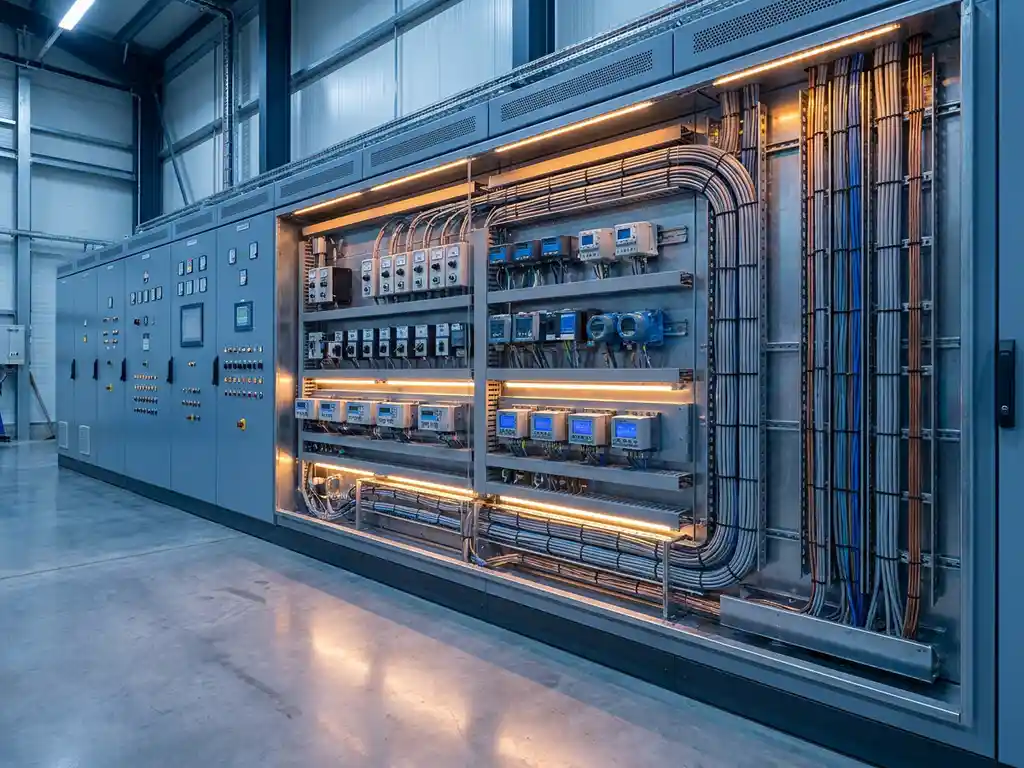
In a typical factory setting, the architecture follows several layers. At the lowest level, field devices and sensors capture raw process data. Above that, programmable logic controllers (PLCs) and distributed control systems (DCS) aggregate and process that data locally. From there, the data moves to edge computing nodes or directly to cloud platforms where machine learning models and analytics dashboards generate actionable insights. Operators can monitor entire production lines from a single interface, receive alerts when something deviates from normal parameters, and trigger automated responses without manual intervention.
What makes IIoT distinct from a simple sensor network is the integration between the operational technology (OT) layer and the information technology (IT) layer. Bringing these two worlds together is where most of the complexity and most of the value lie.
What are the main differences between consumer IoT and IIoT?
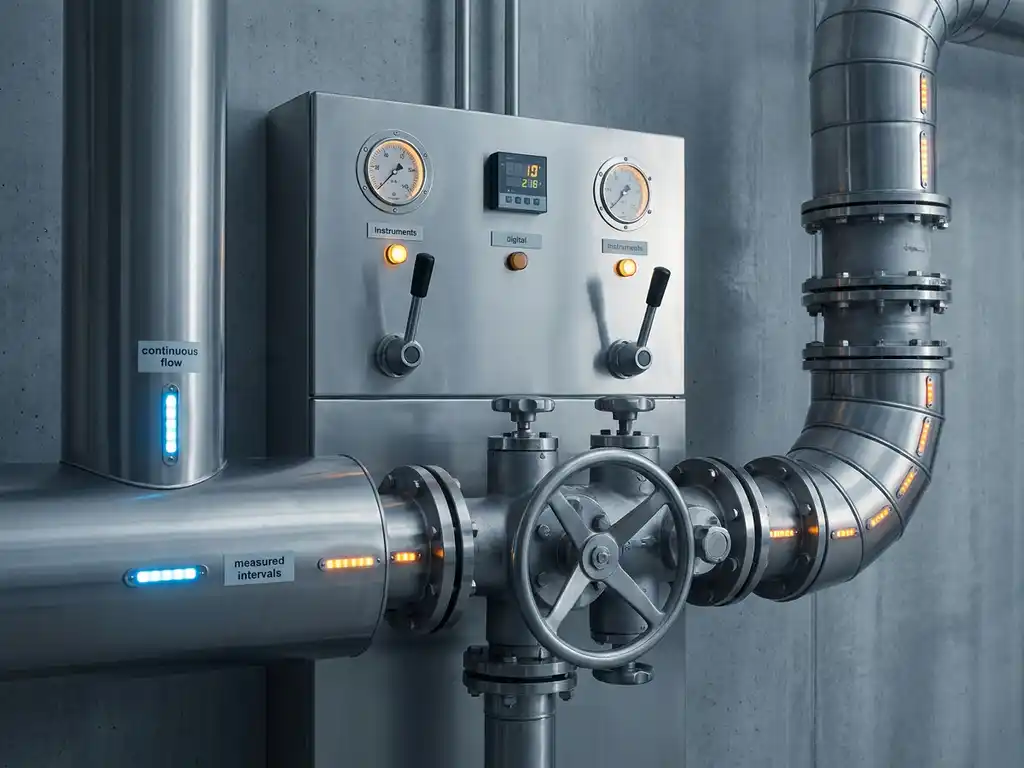
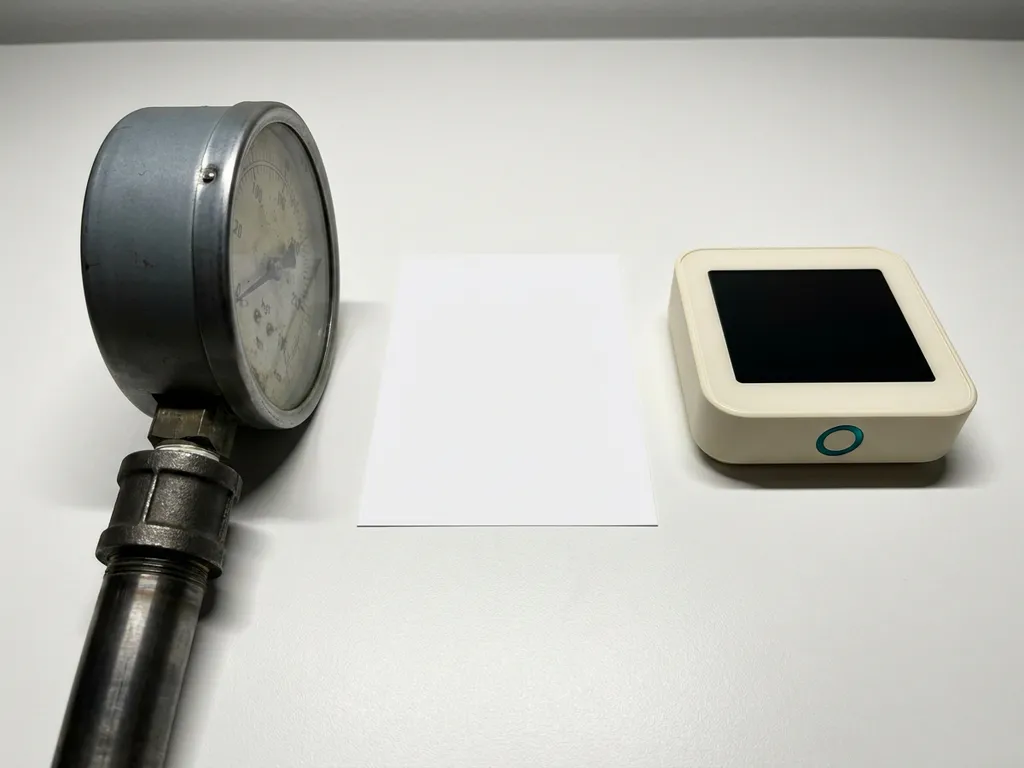
The main differences between consumer IoT and Industrial IoT come down to reliability requirements, data volume, safety criticality, and system lifespan. Consumer IoT prioritizes convenience and user experience. IIoT prioritizes uptime, precision, and safety in environments where failures can have serious operational or physical consequences.
Here is a direct comparison of the key distinctions:
- Purpose: Consumer IoT enhances personal comfort and lifestyle. IIoT optimizes industrial processes and enables predictive maintenance.
- Reliability: A smart home device going offline is an inconvenience. An IIoT system failure in a chemical plant can halt production or create safety hazards.
- Data volume and speed: IIoT systems process thousands of data points per second from dozens or hundreds of sensors simultaneously. Consumer devices handle far smaller data streams.
- Device lifespan: Consumer devices are replaced every few years. Industrial equipment often runs for 15 to 30 years, meaning IIoT solutions must integrate with legacy systems.
- Communication protocols: Consumer IoT typically uses Wi-Fi or Bluetooth. IIoT uses hardened industrial protocols like PROFINET, Modbus, OPC UA, and MQTT over secured industrial networks.
- Deployment environment: Consumer devices operate in controlled home environments. IIoT hardware must withstand extreme temperatures, vibration, dust, and humidity.
Why are security requirements so much stricter in IIoT?
Security requirements in IIoT are stricter because a breach does not just compromise data, it can disrupt physical operations, damage equipment, or endanger people. When a factory control system is compromised, the consequences can include unplanned shutdowns, product loss, environmental incidents, or safety risks for workers. The potential impact is far greater than a hacked consumer device.
Industrial environments also present unique security challenges. Many factories run on older systems that were designed before cybersecurity was a primary concern. Connecting these legacy systems to modern networks without proper segmentation creates vulnerabilities. In addition, industrial networks often cannot tolerate the downtime required for regular software updates, which means patches and security improvements must be managed with great care to avoid disrupting production.
Regulatory frameworks add another layer of complexity. Industries like oil and gas, chemicals, and energy operate under strict compliance requirements that define exactly how control systems must be secured, monitored, and audited. Meeting these standards requires a disciplined approach to network architecture, access control, and incident response that goes well beyond what consumer IoT demands.
What industries benefit most from Industrial IoT?
The industries that benefit most from Industrial IoT are those with complex, continuous processes where real-time monitoring and predictive maintenance deliver significant cost savings and safety improvements. These include chemical processing, oil and gas, food and beverage, pharmaceuticals, energy and utilities, and discrete manufacturing.
In chemical processing and oil and gas, IIoT enables continuous monitoring of critical process parameters, reducing the risk of unplanned shutdowns and enabling condition-based maintenance rather than time-based schedules. In food and beverage, IIoT supports quality control, traceability, and energy efficiency across production lines. In energy and utilities, smart grid technologies powered by IIoT allow operators to balance loads, detect faults early, and integrate renewable energy sources more effectively.
The common thread across all these sectors is that the cost of downtime or quality failure is high, and the volume of operational data generated is large enough that human monitoring alone cannot capture all the signals that predict problems before they occur.
How does IIoT connect with platforms like Siemens PCS 7?
IIoT connects with platforms like Siemens PCS 7 by bridging the process control layer with cloud-based analytics and enterprise systems. Siemens PCS 7 is a distributed control system that manages real-time process automation. IIoT extends its capabilities by enabling data from PCS 7 to flow into higher-level platforms like Siemens MindSphere or Microsoft Azure, where advanced analytics and machine learning can be applied.
In practice, this integration works through standardized interfaces and middleware that translate PCS 7 process data into formats compatible with cloud platforms and enterprise applications. OPC UA is commonly used as the communication standard that bridges the OT and IT worlds securely. Once data is flowing, operators gain visibility beyond the control room, accessing dashboards and alerts on mobile devices or web applications.
This kind of connectivity transforms a process control system from a closed operational tool into a source of strategic insight. Production trends, energy consumption patterns, and equipment health data can all be analyzed across longer timeframes and at a level of detail that was not practical before IIoT integration became feasible.
When should a company start investing in IIoT?
A company should start investing in Industrial IoT when it has identified specific operational challenges that data-driven insights could address, such as recurring unplanned downtime, high energy costs, inconsistent product quality, or difficulty meeting compliance reporting requirements. IIoT investment is most effective when it solves a defined problem rather than being adopted for its own sake.
There is no single right moment, but several signals suggest readiness. If your maintenance team is reactive rather than predictive, if your production data lives in disconnected silos, or if your operators lack real-time visibility into process performance, these are strong indicators that IIoT can deliver measurable value. Starting with a focused pilot in one area of the plant is often more effective than a broad rollout, as it allows the team to build expertise and demonstrate results before scaling.
The maturity of your existing automation infrastructure also matters. Companies running modern control systems like Siemens PCS 7 already have a strong foundation for IIoT integration, since much of the data collection and communication infrastructure is already in place. The next step is connecting that data to platforms that can turn it into insight.
How CoNet helps with Industrial IoT
We help industrial companies move from isolated automation systems to fully connected, data-driven operations. Our Process IT and industrial IoT services team specializes in bridging the gap between your existing automation infrastructure and modern cloud and enterprise platforms, with a focus on delivering real, measurable value from your operational data.
Here is what we offer in the IIoT space:
- Azure and MindSphere IoT solutions: We design and implement secure, scalable IoT architectures using Microsoft Azure and Siemens MindSphere, tailored to your specific process environment.
- PCS 7 integration: As a certified Siemens PCS 7 specialist, we connect your existing process control systems to cloud platforms without disrupting production.
- Machine learning and analytics: We use your operational data to build models that detect anomalies, predict equipment failures, and identify efficiency improvements.
- Custom application development: Our team builds mobile, web, and desktop applications that put real-time process insights in the hands of the people who need them.
- End-to-end support: From initial consultancy and architecture design through implementation and ongoing support, we act as a single point of contact for your IIoT journey.
If you are ready to explore what Industrial IoT can do for your operations, get in touch with our expert team. We are happy to start with a conversation about where you are today and what a practical first step might look like for your plant.
Frequently Asked Questions
What is the typical cost of implementing an IIoT solution in an existing plant?
IIoT implementation costs vary widely depending on the scope, the maturity of your existing automation infrastructure, and the number of assets being connected. A focused pilot project — connecting a single production line or a handful of critical machines — can range from tens of thousands to a few hundred thousand euros, while plant-wide rollouts naturally scale higher. The most important framing is return on investment: a well-scoped IIoT project targeting a specific problem like unplanned downtime typically pays for itself within 12 to 24 months through maintenance savings and improved uptime.
How do we handle IIoT integration without disrupting live production?
Integrating IIoT into a live production environment requires careful planning around network segmentation, data tap points, and change management. In most cases, read-only data connections can be established from existing PLCs or DCS systems like Siemens PCS 7 without modifying control logic or risking process interruptions. Middleware and OPC UA gateways are specifically designed to extract data passively, meaning your operational layer continues to run independently while the IIoT layer observes and analyzes alongside it. Any configuration changes that do touch the control layer are planned and executed during scheduled maintenance windows.
What happens to our IIoT system when legacy equipment eventually gets replaced?
A well-architected IIoT solution is designed to be modular, so replacing a piece of equipment does not require rebuilding the entire data infrastructure. When legacy equipment is upgraded, the new asset is onboarded to the existing IIoT platform using its native communication interfaces, which are typically more modern and easier to integrate than their predecessors. This is one of the reasons choosing open standards like OPC UA and cloud-agnostic platforms matters — it protects your investment as the physical plant evolves over time.
How much data does an IIoT system actually generate, and how is it stored and managed?
A mid-sized industrial facility with hundreds of sensors can easily generate millions of data points per day, and large continuous-process plants can produce significantly more. Modern IIoT platforms handle this through a combination of edge computing and cloud storage: edge nodes filter, compress, and pre-process data locally before sending only the most relevant signals to the cloud, which dramatically reduces bandwidth and storage costs. Time-series databases optimized for industrial data, such as those available within Microsoft Azure or Siemens MindSphere, are purpose-built to store and query this volume of data efficiently.
Do our operators need specialized technical skills to use an IIoT platform day to day?
Day-to-day use of an IIoT platform is designed to be accessible to operators without deep IT or data science skills — the value of the system is in surfacing the right information clearly, not in requiring users to interrogate raw data. Dashboards, alerts, and anomaly notifications are configured by the implementation team to match the specific workflows and decision points of your operators. Where more advanced analysis is needed, that work typically sits with a small group of process or reliability engineers who receive targeted training, rather than being expected of the entire operations team.
What is the difference between predictive maintenance and preventive maintenance, and why does IIoT make predictive maintenance possible?
Preventive maintenance follows a fixed schedule — you service a pump every six months regardless of its actual condition. Predictive maintenance uses real-time sensor data to service equipment only when early warning signs indicate a problem is developing, such as rising vibration levels or abnormal temperature trends. IIoT makes predictive maintenance practical because it provides the continuous, high-frequency data streams that machine learning models need to detect these subtle patterns reliably — something that periodic manual inspections simply cannot achieve at the same scale or sensitivity.
Can IIoT work in environments with limited or unreliable internet connectivity?
Yes — this is precisely where edge computing plays a critical role in IIoT architecture. Edge devices process and store data locally within the plant, meaning core monitoring and automated response functions continue to operate even when cloud connectivity is interrupted. Data is buffered at the edge and synchronized with the cloud platform once connectivity is restored, ensuring no data is lost. For facilities in remote locations such as offshore platforms or mining sites, this edge-first design is not optional — it is a fundamental requirement of any robust IIoT architecture.