
Data collection in automated industrial systems takes place through sensors, instruments, and control systems that continuously monitor production processes, equipment performance, and environmental conditions. These systems capture everything from temperature and pressure readings to production metrics and quality parameters. The collected information flows through PLCs and SCADA systems to databases where it is processed, stored, and analysed for operational optimisation and decision-making.
What types of data are collected in automated industrial systems?
Industrial automation systems collect process variables (temperature, pressure, flow rates), equipment status information, production metrics, quality parameters, and safety-related data. This comprehensive data collection enables real-time monitoring, predictive maintenance, and process optimisation across manufacturing operations.
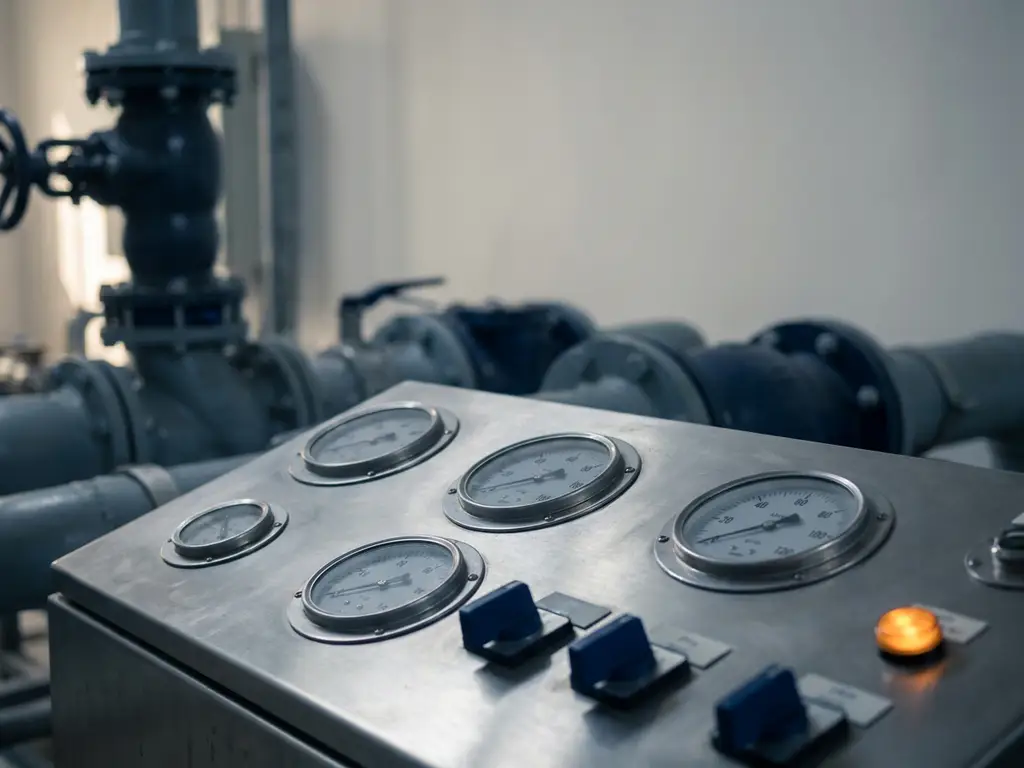
Process variables form the foundation of industrial data collection. Temperature sensors monitor heating and cooling processes, pressure transmitters track system pressures, and flow meters measure liquid and gas movement through pipelines. Level sensors determine tank contents, while pH and conductivity meters assess chemical properties in process streams.
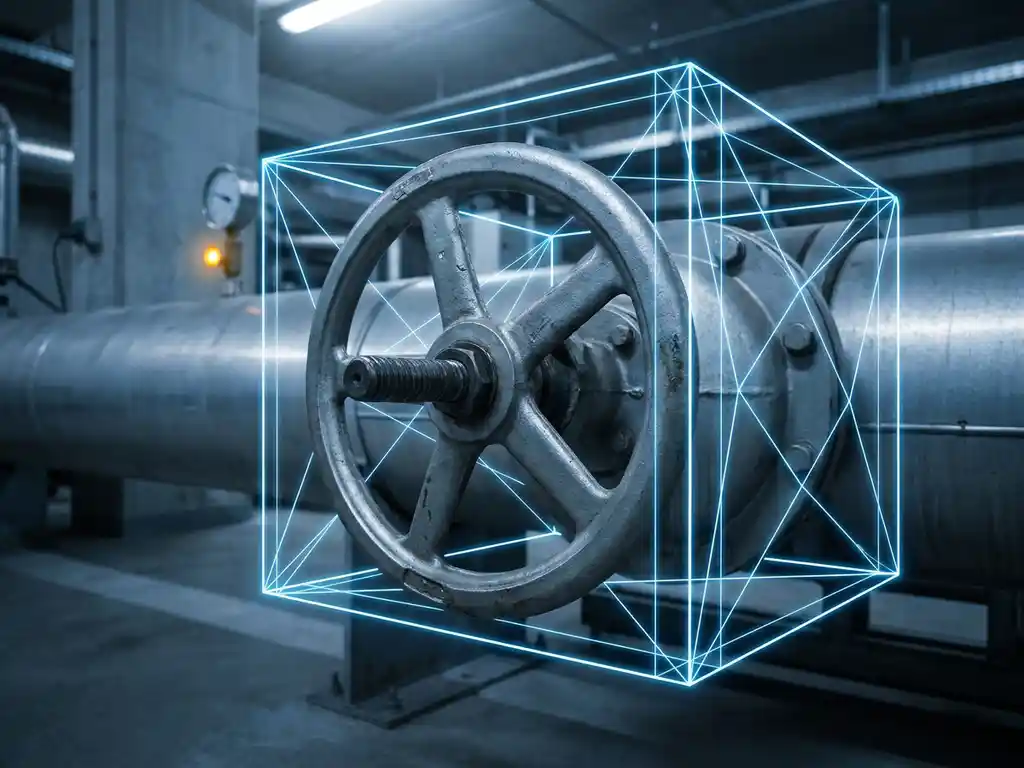
Equipment status data includes motor speeds, valve positions, pump operating conditions, and alarm states. Production metrics encompass throughput rates, cycle times, batch quantities, and efficiency measurements. Quality parameters might include product dimensions, chemical composition, colour measurements, and compliance with specification limits.
Safety data collection focuses on gas detection readings, emergency shutdown system status, fire and smoke detection, and personnel safety monitoring. Environmental data includes ambient conditions, emissions monitoring, and energy consumption measurements that support sustainability initiatives.
How do sensors and instruments capture data in industrial automation?
Sensors convert physical phenomena into electrical signals through various measurement principles. Smart instruments then condition these signals, perform local processing, and transmit digital data to control systems via industrial communication protocols.
Temperature sensors use thermocouples, resistance temperature detectors (RTDs), or thermistors to measure heat. Pressure sensors employ strain gauges, capacitive elements, or piezoresistive technologies to detect force per unit area. Flow sensors utilise magnetic, ultrasonic, or differential pressure principles to measure fluid movement.
The measurement process begins with signal conditioning, where raw sensor outputs are amplified, filtered, and linearised. Analogue-to-digital converters transform continuous signals into discrete digital values that control systems can process. Smart transmitters include microprocessors that perform local calculations, diagnostics, and communication functions.
Modern industrial instruments feature digital communication capabilities using protocols such as HART, Foundation Fieldbus, or Profibus. These protocols enable bidirectional communication, allowing not only data transmission but also remote configuration, calibration, and diagnostic information exchange.
What role do PLCs and SCADA systems play in data collection?
Programmable Logic Controllers (PLCs) gather data directly from field devices and execute control logic, while SCADA systems aggregate data from multiple PLCs and provide centralised monitoring, historical data storage, and operator interfaces for plant-wide visibility.
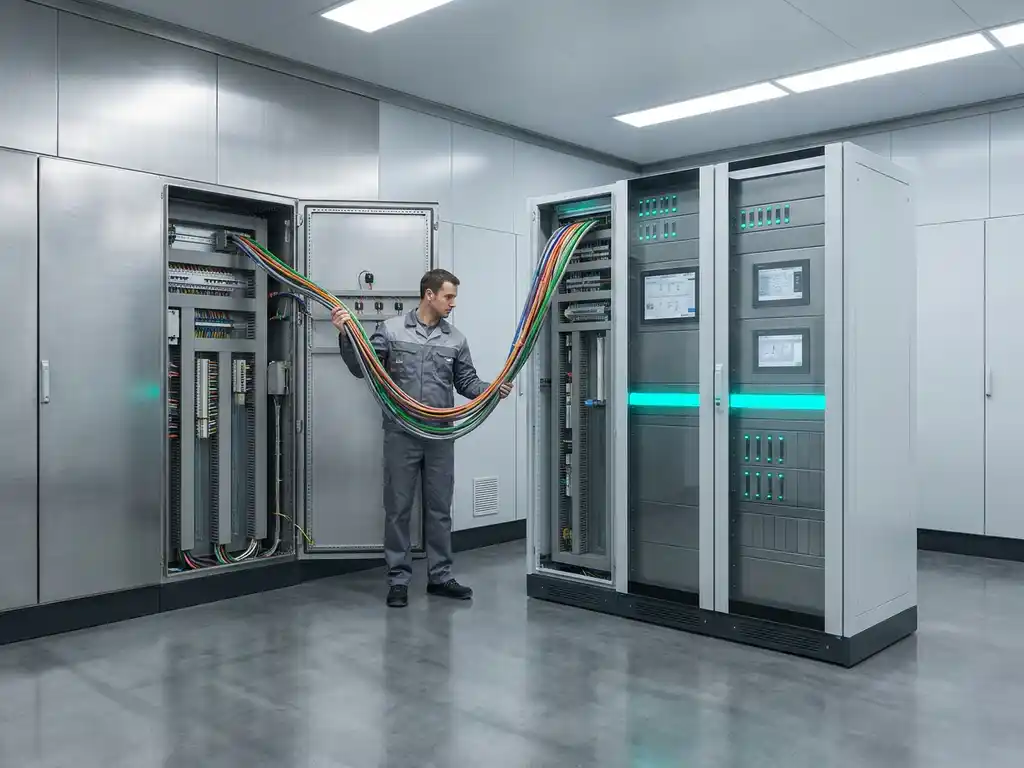
PLCs serve as the primary data collection points in industrial automation. They receive inputs from sensors and instruments through analogue and digital input modules, process this information according to programmed logic, and generate control outputs. Modern PLCs can handle thousands of input/output points and perform complex calculations on collected data.
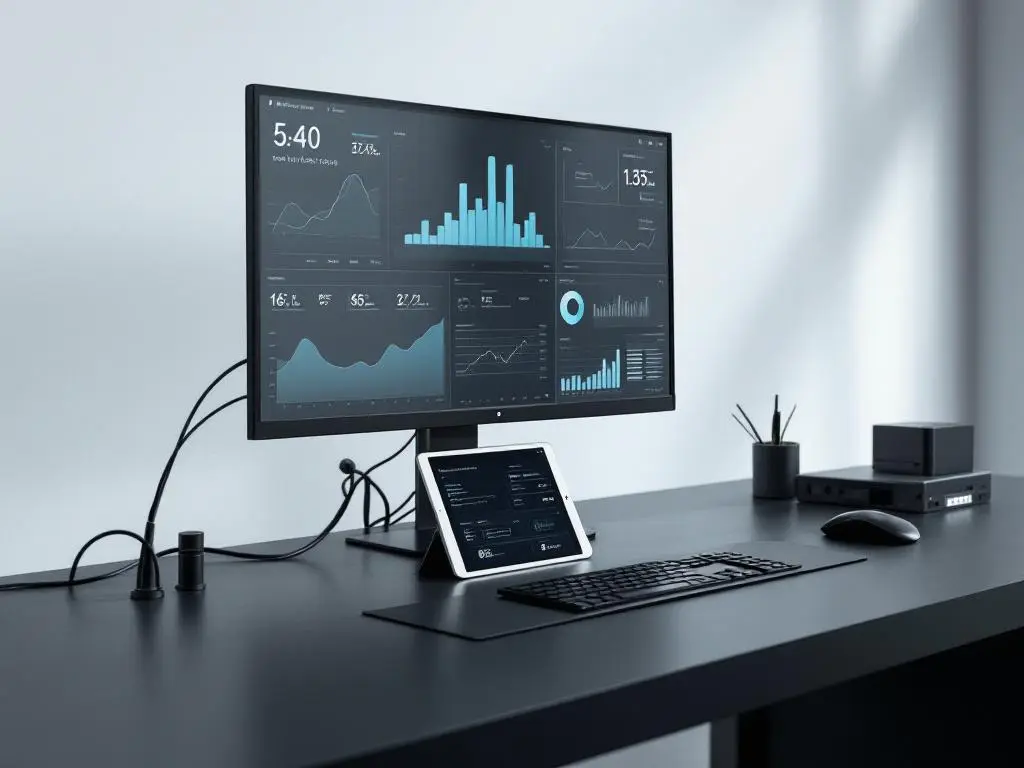
SCADA systems operate at a supervisory level, polling PLCs and other intelligent devices for current data. They maintain real-time databases, generate historical trends, and provide graphical interfaces showing process status. Communication between SCADA and field devices typically uses protocols such as Modbus, DNP3, or OPC.
Data transmission methods include wired connections (Ethernet, serial communications) and wireless technologies (Wi-Fi, cellular, radio). Industrial networks often employ redundant communication paths and cybersecurity measures to ensure reliable and secure data transfer throughout the facility.
How is collected data processed and stored in industrial systems?
Industrial data undergoes real-time processing, including validation, filtering, and alarm checking, before storage in industrial databases called historians. These systems handle high-frequency data streams while providing long-term retention and fast retrieval for analysis and reporting.
Data processing workflows begin with validation checks that identify sensor failures, communication errors, or values outside expected ranges. Filtering algorithms remove noise and smooth fluctuations while preserving important process variations. Scaling and engineering unit conversions ensure data consistency across different measurement devices.
Industrial historians specialise in time-series data storage, using compression techniques to manage large data volumes efficiently. These databases can store millions of data points per day while maintaining rapid query performance. Popular historian systems include OSIsoft PI, GE Proficy, and Wonderware InTouch.
Cloud-based storage solutions increasingly supplement on-premise historians, offering scalable capacity and advanced analytics capabilities. Hybrid approaches maintain critical data locally while leveraging cloud resources for long-term archival and machine learning applications. Data backup and disaster recovery procedures ensure information protection and business continuity.
What are the main challenges in industrial data collection?
Industrial data collection faces challenges including harsh environmental conditions, data quality issues, communication failures, system integration complexities, and cybersecurity threats. Successful implementations require robust equipment selection, proper installation practices, and comprehensive maintenance programmes.
Environmental conditions pose significant challenges, with extreme temperatures, vibration, electromagnetic interference, and corrosive atmospheres affecting sensor accuracy and equipment reliability. Proper sensor selection, protective enclosures, and regular calibration help maintain data quality under adverse conditions.
Data quality issues arise from sensor drift, calibration errors, and communication noise. Implementing redundant measurements, statistical process control techniques, and automated validation routines helps identify and correct data problems. Regular maintenance schedules ensure sensors operate within specification limits.
Integration complexities emerge when connecting equipment from different manufacturers using various communication protocols. Standardising on common protocols, using protocol gateways, and implementing OPC servers facilitates seamless data exchange between diverse systems.
Cybersecurity concerns have intensified as industrial systems connect to corporate networks and cloud services. Network segmentation, encrypted communications, access controls, and security monitoring protect against cyber threats while maintaining operational functionality.
How CoNet helps with industrial data processing
We provide comprehensive solutions for industrial data collection using Siemens automation systems, specialising in PCS 7 process automation and SCADA implementation. Our expertise covers the complete data lifecycle, from sensor selection to advanced analytics integration.
Our industrial data processing services include:
- PCS 7 system design and implementation for reliable data collection
- SCADA system development with intuitive operator interfaces
- Industrial network design ensuring secure and robust communications
- Data historian implementation and integration services
- Cybersecurity solutions for industrial automation systems
- 24/7 support and maintenance for continuous operation
As the only certified PCS 7 Process Safety Specialist in the Netherlands, we ensure your data collection systems meet the highest safety and reliability standards. Our one-brand Siemens strategy provides seamless integration and optimised performance across all system components.
Ready to optimise your industrial data collection? Contact our specialists to discuss how we can enhance your automation systems and data processing capabilities.