
Industrial automation refers to the use of control systems, computers, and robots to handle different processes and machinery in manufacturing facilities. It replaces human intervention with automated systems that can operate continuously, improve precision, and reduce operational costs. Modern manufacturers rely on industrial automation to remain competitive, ensure consistent quality, and meet increasing production demands while maintaining safety standards.
What is industrial automation and why does it matter for modern manufacturing?
Industrial automation is the technology that uses control systems such as computers, robots, and information technologies to handle industrial processes and machinery. It encompasses everything from simple mechanical devices to complex computer-controlled systems that manage entire production lines with minimal human intervention.
The core components of industrial automation include programmable logic controllers (PLCs), human-machine interfaces (HMIs), sensors, actuators, and communication networks. These elements work together to monitor, control, and optimize manufacturing processes in real time.
Industrial automation has become essential for competitive manufacturing because it addresses critical business challenges. Companies face increasing pressure to reduce costs, improve quality consistency, and respond quickly to market demands. Manual processes simply cannot match the speed, precision, and reliability that automated systems provide. Additionally, automation helps manufacturers cope with labor shortages and ensures consistent output regardless of workforce availability.
How does industrial automation actually work in practice?
Industrial automation works by using interconnected control systems that monitor inputs, process information, and execute commands to control manufacturing equipment. The process begins with sensors collecting data about temperature, pressure, flow rates, or position, which is then transmitted to central control systems for analysis and decision-making.
PLCs serve as the brain of most automation systems, receiving input signals from sensors and sending output commands to actuators, motors, and other control devices. These controllers follow pre-programmed logic to make decisions and execute actions based on current conditions and desired outcomes.
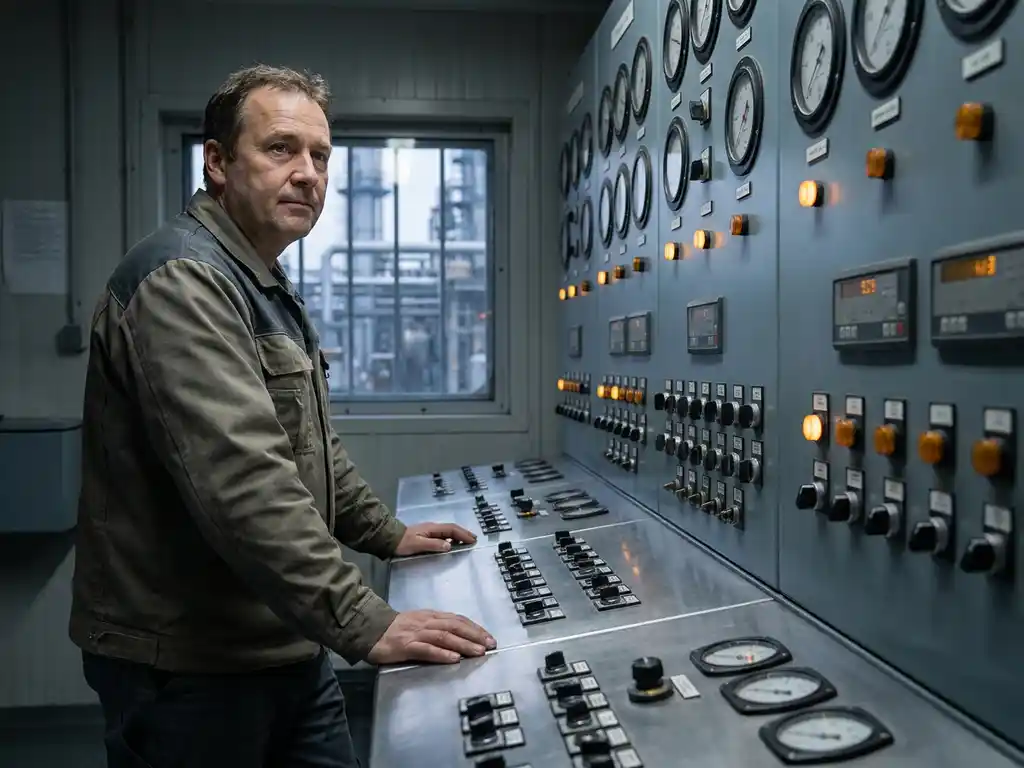
SCADA (Supervisory Control and Data Acquisition) systems provide the oversight layer, allowing operators to monitor multiple processes simultaneously through graphical interfaces. These systems collect data from PLCs across the facility, display real-time information, and enable remote control of equipment when necessary.
Communication networks connect all components, ensuring seamless data flow between sensors, controllers, and monitoring systems. Modern industrial networks use protocols such as Ethernet/IP, Profinet, or Modbus to enable reliable, high-speed communication throughout the facility.
What are the main types of industrial automation systems?
Industrial automation systems fall into three main categories: fixed automation, programmable automation, and flexible automation. Each type serves different manufacturing needs and offers distinct advantages depending on production requirements and product variety.
Fixed automation involves dedicated equipment designed to perform specific tasks repeatedly. This type works best for high-volume production of identical products, such as automotive assembly lines or bottling plants. While fixed automation offers high efficiency and low per-unit costs, it lacks flexibility for product changes.
Programmable automation uses reprogrammable controllers that can be modified to handle different products or processes. This approach suits batch production where products change periodically but volumes remain substantial. Examples include CNC machining centers and programmable assembly systems.
Flexible automation represents the most advanced approach, capable of handling multiple products simultaneously with minimal changeover time. These systems use sophisticated control software and modular equipment designs. They are ideal for manufacturers producing diverse product ranges or customized items, particularly in the electronics and consumer goods industries.
What benefits can companies expect from implementing industrial automation?
Companies implementing industrial automation typically experience significant improvements in operational efficiency, product quality, and cost management. Automated systems operate continuously without fatigue, reducing cycle times and increasing overall production capacity compared to manual operations.
Quality consistency represents another major advantage. Automated systems eliminate human variability, ensuring each product meets exact specifications. This consistency reduces waste, minimizes rework, and improves customer satisfaction through reliable product quality.
Cost reduction occurs through multiple channels: lower labor costs, reduced material waste, decreased energy consumption, and minimized maintenance requirements. While initial investment costs are substantial, most companies achieve positive returns within two to four years through operational savings.
Safety enhancements protect workers by removing them from dangerous environments and repetitive tasks that cause injuries. Automated systems handle hazardous materials, operate in extreme temperatures, and perform physically demanding work without risk to human safety.
Competitive positioning improves as companies can respond faster to market demands, offer more consistent quality, and operate at lower costs than non-automated competitors. This advantage becomes particularly important in global markets where efficiency directly impacts profitability.
What challenges do companies face when adopting industrial automation?
Initial investment costs represent the most significant barrier to automation adoption. Companies must budget for equipment purchases, installation, programming, and system integration. These upfront expenses can strain cash flow, particularly for smaller manufacturers, even though long-term savings justify the investment.
Workforce training needs create ongoing challenges as employees must learn new skills to operate and maintain automated systems. This transition requires time, resources, and careful change management to ensure successful adoption without disrupting current operations.
System integration complexities arise when connecting new automation equipment with existing machinery and software systems. Different manufacturers use various communication protocols and standards, making seamless integration technically challenging and potentially expensive.
Change management considerations affect company culture and employee acceptance. Workers may resist automation due to job security concerns, while management must balance efficiency gains with workforce impacts. Successful implementation requires clear communication about automation benefits and retraining opportunities.
Technical expertise requirements mean companies need skilled personnel to maintain, troubleshoot, and optimize automated systems. This specialized knowledge may require hiring new staff or extensive training for existing employees, adding to implementation complexity and costs.
Hoe CoNet helpt bij industriële automatisering
We specialize in Siemens industrial automation solutions, providing comprehensive services that address the challenges and opportunities discussed throughout this article. Our expertise in PCS 7 Process Automation and SIMATIC systems enables us to deliver tailored automation solutions across the chemical, food & beverage, and energy sectors.
Our services include:
- Complete system design and engineering for new automation projects
- Integration of existing equipment with modern control systems
- 24/7 technical support and maintenance services
- Workforce training programs for automated system operation
- Process optimization consulting to maximize automation benefits
As certified Siemens specialists, we provide single-point accountability for your entire automation project, from initial consultation through ongoing support. Our team understands the complexities of system integration and change management, ensuring smooth transitions that minimize disruption to your operations.
Ready to explore how industrial automation can transform your manufacturing processes? Contact our automation specialists to discuss your specific requirements and discover the potential benefits for your facility.