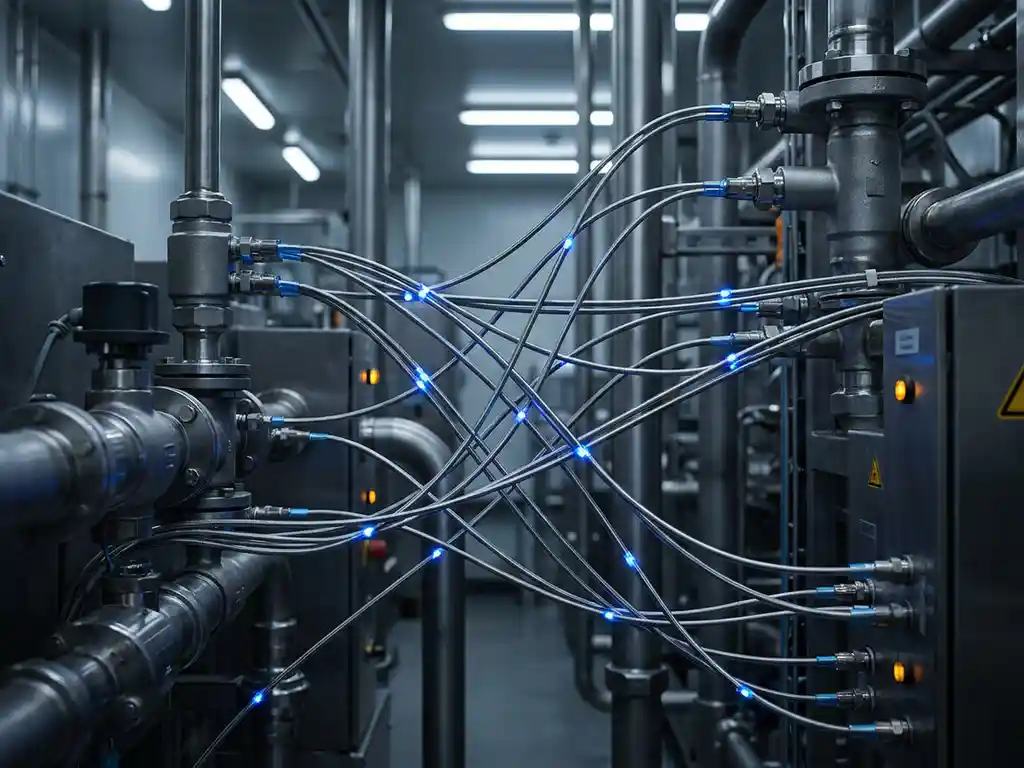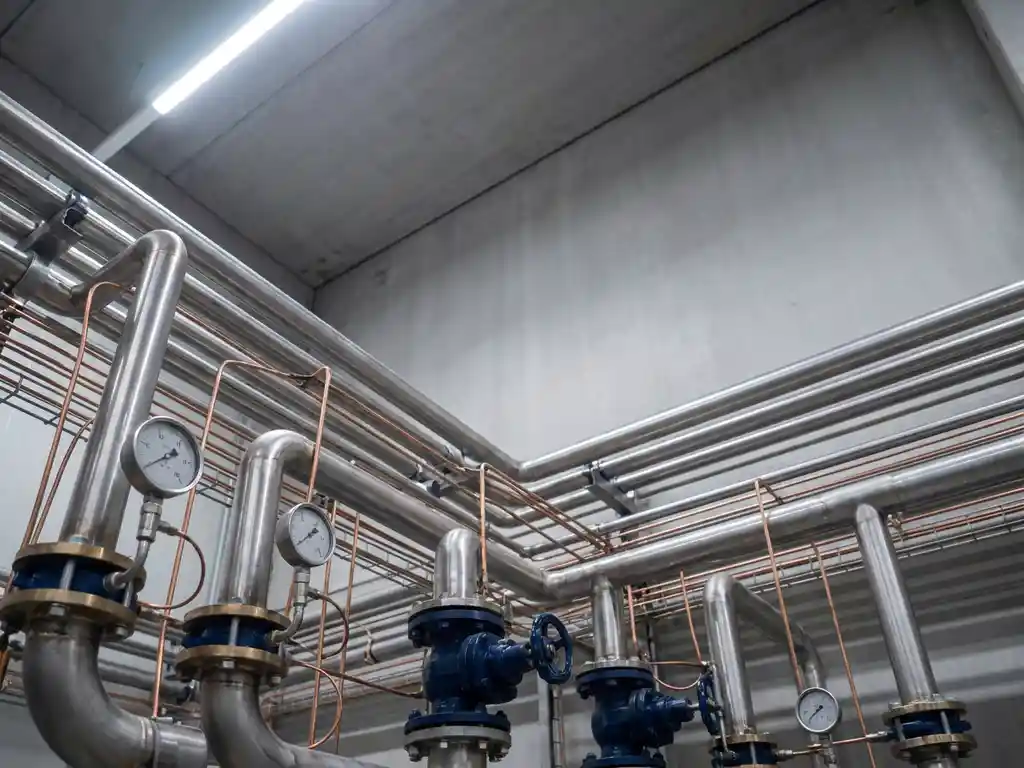

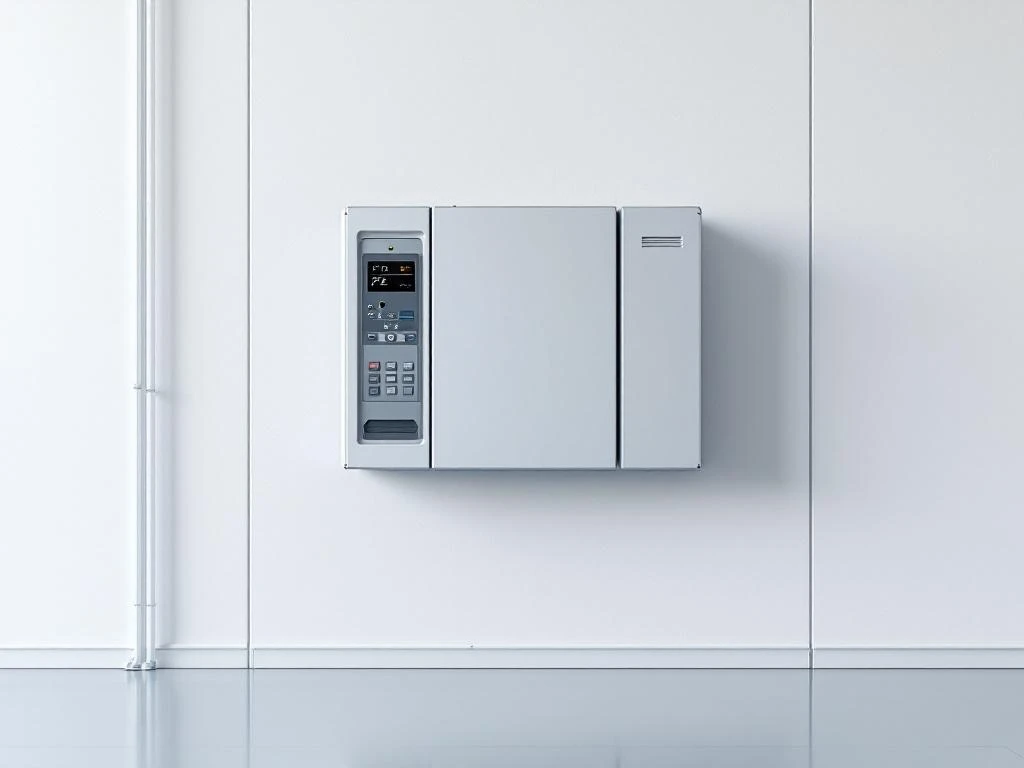
A PLC (Programmable Logic Controller) should be implemented in your facility when you need reliable, automated control of complex industrial processes that require precise timing, safety monitoring, or integration with multiple systems. PLCs are essential for facilities experiencing production inefficiencies, safety concerns, or those requiring consistent quality control across manufacturing operations.
What is a PLC and how does it differ from other control systems?
A Programmable Logic Controller (PLC) is a ruggedized digital computer designed specifically for industrial automation applications. It monitors inputs from sensors and switches, processes this information according to programmed logic, and controls outputs such as motors, valves, and lights to automate manufacturing processes.
PLCs differ significantly from traditional relay systems by offering programmable flexibility rather than fixed hardwired connections. Unlike basic computer controls, PLCs are built to withstand harsh industrial environments, including extreme temperatures, vibrations, and electrical interference. Compared to Distributed Control Systems (DCS), PLCs typically handle discrete manufacturing processes rather than continuous process control, though modern PLCs increasingly bridge this gap.
The fundamental role of PLCs in industrial automation centers on providing reliable, real-time control while offering the flexibility to modify operations through software changes rather than rewiring. This makes them ideal for facilities requiring frequent process adjustments or product changeovers.
What are the clear signs your facility needs a PLC system?
Your facility needs a PLC system when you’re experiencing frequent production delays, quality inconsistencies, or safety incidents that could be prevented through automated monitoring and control. Additionally, if your current processes require constant manual intervention or you’re struggling to integrate different pieces of equipment, implementing a PLC system becomes necessary.
Key indicators include:
- Production processes requiring precise timing and coordination between multiple machines
- Safety requirements that demand immediate automated responses to hazardous conditions
- Quality control issues stemming from human error or inconsistent manual operations
- The need for real-time data collection and process monitoring
- Integration challenges between equipment from different manufacturers or systems
Operational inefficiencies such as excessive downtime, difficulty troubleshooting problems, or an inability to scale production capacity also indicate that PLC implementation would provide significant benefits. Modern process automation solutions address these challenges by creating scalable, integrated systems that improve overall production efficiency.
How do you know if a PLC is right for your specific industry?
PLC suitability depends on your industry’s specific automation requirements, regulatory compliance needs, and process complexity. Industries with repetitive processes, strict safety standards, or requirements for detailed production tracking typically benefit most from PLC implementation.
In the chemical industry, PLCs are essential for managing complex reactions, maintaining precise temperature and pressure control, and ensuring safety shutdown procedures. Regulatory requirements often mandate automated monitoring and documentation that PLCs naturally provide.
Food and beverage operations require PLCs for maintaining consistent product quality, managing cleaning cycles, and ensuring traceability throughout production. The ability to quickly switch between product recipes while maintaining food safety standards makes PLCs particularly valuable.
Manufacturing sectors benefit from PLCs when coordination between multiple production lines, quality control checkpoints, or packaging systems becomes complex. Energy sector applications often involve PLCs for monitoring and controlling power generation, distribution systems, and safety interlocks.
Consider regulatory requirements specific to your industry, as many sectors have standards that effectively require automated monitoring and control systems that PLCs are well suited to provide.
What factors should you consider before implementing a PLC in your facility?
Before implementing a PLC system, evaluate your current infrastructure compatibility, available budget for both initial investment and ongoing maintenance, staff training requirements, and long-term scalability needs. These factors determine both implementation success and return on investment.
Budget considerations extend beyond initial hardware costs to include programming, installation, staff training, and ongoing maintenance expenses. Existing infrastructure compatibility affects implementation complexity and costs, particularly regarding sensor integration, communication networks, and power supply requirements.
Staff training requirements are crucial for successful implementation. Consider whether your team has the technical expertise to maintain and modify PLC programs, or whether external support will be necessary. This affects both initial training costs and long-term operational expenses.
Scalability needs should align with your facility’s growth plans. Modern PLC systems can expand to accommodate additional processes, but planning for future requirements during the initial implementation is more cost-effective than retrofitting later.
Long-term maintenance implications include spare parts availability, technical support accessibility, and the ability to find qualified technicians. Choosing established PLC platforms with strong manufacturer support ensures sustainable operations over the system’s lifecycle.
We specialize in guiding facilities through this evaluation process, ensuring that PLC implementations align with both immediate operational needs and long-term strategic objectives while providing comprehensive support throughout the project lifecycle.