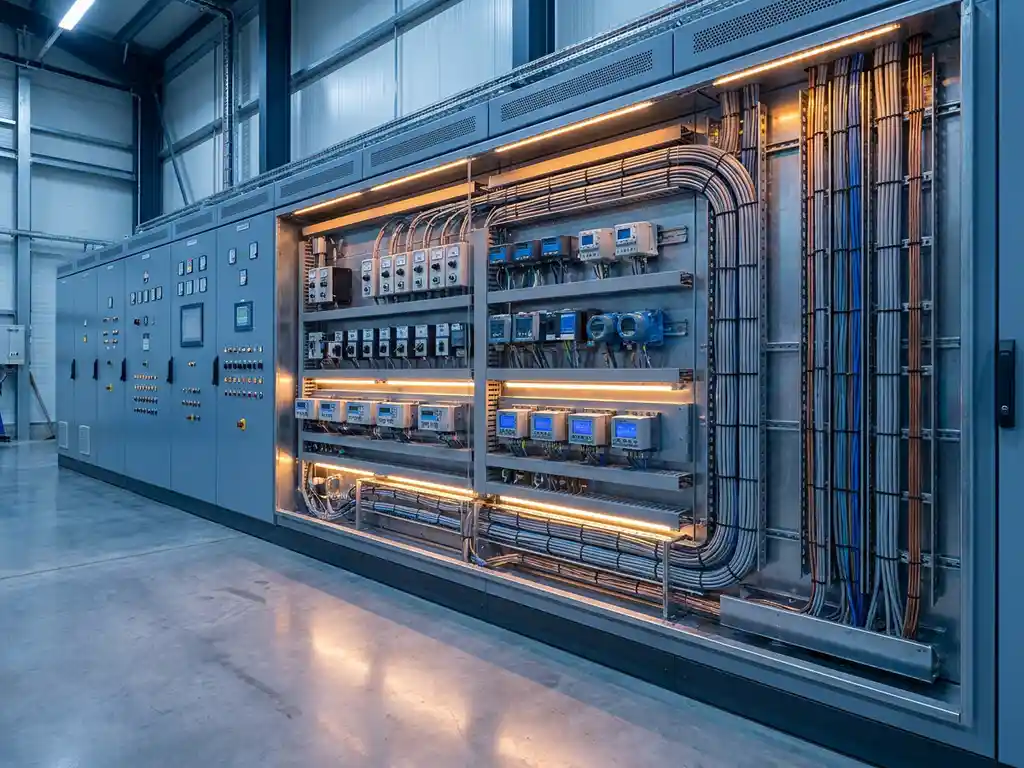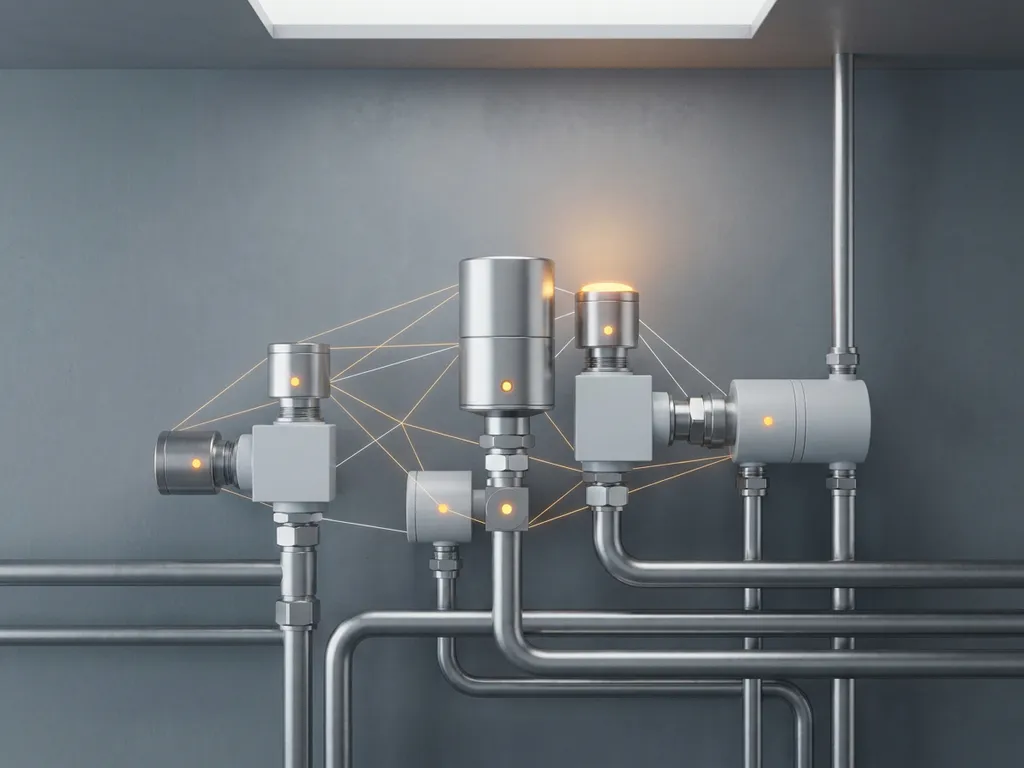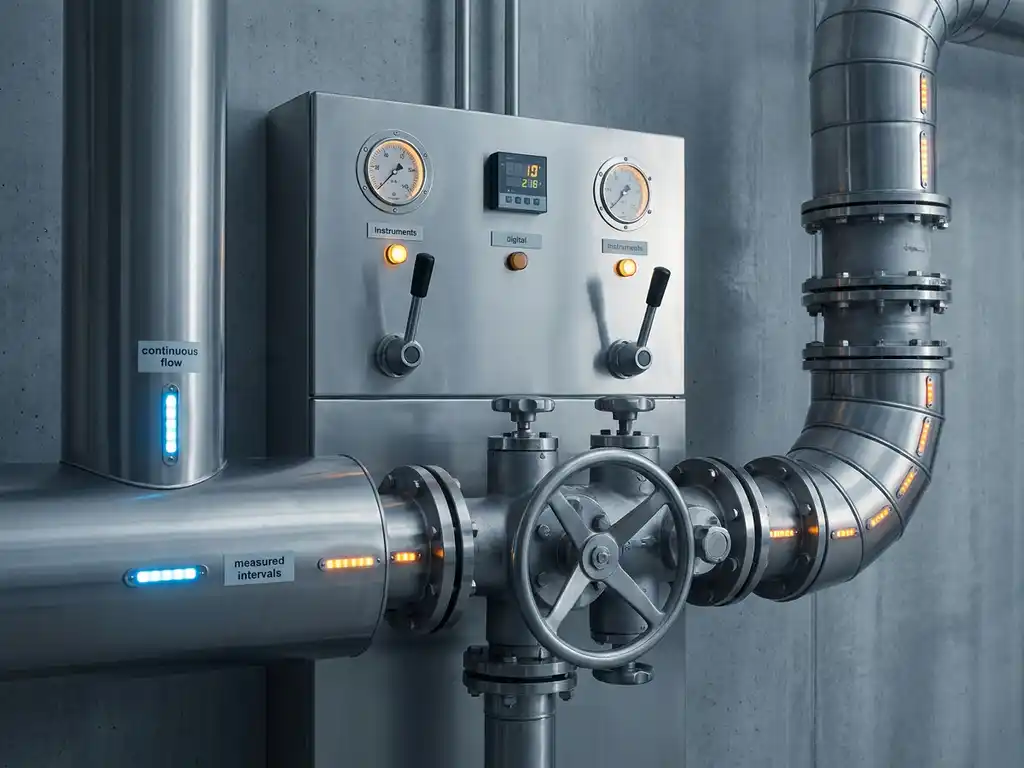


Predictive analytics in plant care uses data from sensors and equipment to predict potential failures before they occur. This technology analyses patterns in temperature, vibration, pressure, and other operational data to identify early warning signs of equipment problems. By implementing predictive analytics, plants can reduce unexpected downtime, extend equipment life, and optimise maintenance schedules for maximum efficiency.
What is predictive analytics in plant maintenance and why does it matter?
Predictive analytics in plant maintenance is a data-driven approach that uses sensors, algorithms, and machine learning to forecast when equipment might fail or require maintenance. Unlike traditional reactive maintenance (fixing things when they break) or scheduled maintenance (servicing equipment at set intervals), predictive analytics continuously monitors equipment conditions and alerts operators to potential issues before they become critical problems.
This approach matters because it transforms how industrial facilities manage their assets. Traditional maintenance strategies often result in either unexpected breakdowns that halt production or unnecessary maintenance that wastes resources. Predictive analytics creates a middle ground where maintenance happens exactly when needed, based on actual equipment condition rather than guesswork or rigid schedules.
The importance extends beyond just preventing breakdowns. Predictive analytics enables better resource planning, reduces spare parts inventory costs, and helps maintenance teams work more efficiently. For modern industrial operations where every minute of downtime can cost thousands of pounds, this technology represents a fundamental shift towards smarter, more profitable plant care.
How does predictive analytics actually prevent equipment failures?
Predictive analytics prevents equipment failures through a continuous cycle of data collection, pattern analysis, and early intervention. Sensors installed on critical equipment monitor parameters such as vibration, temperature, pressure, current draw, and oil quality in real time. This data flows into analytical systems that compare current readings against normal operating patterns and historical failure data.
The prevention process works through several stages. Machine learning algorithms identify subtle changes in equipment behaviour that human operators might miss. For example, a slight increase in bearing temperature combined with unusual vibration patterns might indicate impending bearing failure weeks before it would cause a breakdown. Pattern recognition systems can detect these combinations of warning signs and generate alerts.
When potential issues are identified, automated systems can trigger responses ranging from simple notifications to automatic equipment shutdown if safety is at risk. This early warning system allows maintenance teams to schedule repairs during planned downtime rather than dealing with emergency failures. The key is catching problems in their early stages, when repairs are typically less expensive and less disruptive than major breakdowns.
What types of plant equipment benefit most from predictive analytics?
Rotating equipment sees the greatest benefits from predictive analytics because these machines generate clear, measurable signals when problems develop. Pumps, motors, compressors, fans, and turbines all produce vibration patterns, temperature signatures, and electrical characteristics that change predictably as components wear or develop faults.
Heat exchangers and cooling systems also respond well to predictive monitoring. Temperature differentials, pressure drops, and flow rates provide excellent indicators of fouling, corrosion, or mechanical problems. Process control systems benefit from analytics that monitor valve performance, actuator response times, and control loop stability.
Critical utility systems, including boilers, air compressors, and electrical distribution equipment, are prime candidates because their failure can shut down entire facilities. Even static equipment such as tanks and vessels can benefit from monitoring systems that track corrosion rates, structural integrity, and safety system performance. The common thread is equipment where early detection of problems provides significant value compared with the cost of monitoring.
How do you implement predictive analytics in existing plant operations?
Implementation begins with a thorough assessment of your current systems and identification of critical equipment where predictive analytics will provide the most value. Start by evaluating which equipment failures cause the most downtime or safety concerns, then prioritise these assets for initial monitoring system installation.
The technical implementation involves installing appropriate sensors on selected equipment and integrating data collection systems with your existing automation infrastructure. Modern industrial networks can often accommodate additional data streams without major modifications. Data integration requires connecting new monitoring systems to existing control systems, databases, and maintenance management software.
Staff training represents a crucial implementation phase. Maintenance teams need to understand how to interpret predictive analytics alerts and integrate this information into their work planning. Operations staff should learn how monitoring data relates to equipment performance and production efficiency. A phased rollout approach works best, starting with a few critical pieces of equipment and expanding the system as teams become comfortable with the technology and processes.
What challenges do plants face when adopting predictive analytics?
Data quality issues present the most common implementation challenge. Predictive analytics systems require clean, consistent data to function effectively, but many plants struggle with sensor calibration, network connectivity problems, and integration difficulties with legacy systems. Poor data quality leads to false alarms that undermine confidence in the system.
Resistance to change often emerges from maintenance teams who have developed expertise in traditional approaches. Staff may question the reliability of automated systems or worry about technology replacing their skills. Integration complexity with existing maintenance management systems, control networks, and business processes can create technical hurdles that require significant planning and resources to overcome.
Initial investment costs can seem substantial, particularly for smaller facilities. Beyond equipment and software expenses, implementation requires training time, system integration work, and often temporary productivity impacts during installation. However, these challenges are manageable with proper planning, realistic timelines, and a commitment to supporting staff through the transition period.
How CoNet helps with predictive analytics implementation
We specialise in Siemens-based predictive analytics solutions that integrate seamlessly with existing PCS 7 process automation systems. Our expertise covers the complete implementation journey, from initial assessment through ongoing support, ensuring your predictive analytics system delivers maximum value with minimal operational disruption.
Our comprehensive services include:
- Detailed assessment of current automation infrastructure and identification of critical equipment
- Custom sensor network design optimised for your specific plant requirements
- PCS 7 integration that leverages your existing automation investment
- Advanced data visualisation systems for clear, actionable insights
- Comprehensive staff training programmes covering system operation and maintenance
- 24/7 support services to ensure continuous system performance
Ready to transform your plant maintenance approach with predictive analytics? Contact us to discuss how our Siemens expertise can help you implement a predictive analytics solution tailored to your specific operational needs and existing automation systems.