
Industrial automation and robotics serve different but complementary roles in manufacturing. Industrial automation focuses on controlling and optimizing entire systems and processes through software and control systems, while robotics involves physical machines that manipulate objects and perform specific tasks. Understanding their distinct functions helps manufacturers choose the right technology for their operational needs and efficiency goals.
What is the fundamental difference between industrial automation and robotics?
Industrial automation controls entire manufacturing processes and systems, while robotics focuses on physical manipulation and task execution. Automation manages workflows, monitors conditions, and coordinates operations across facilities. Robotics provides the mechanical muscle to perform specific physical actions within those automated systems.
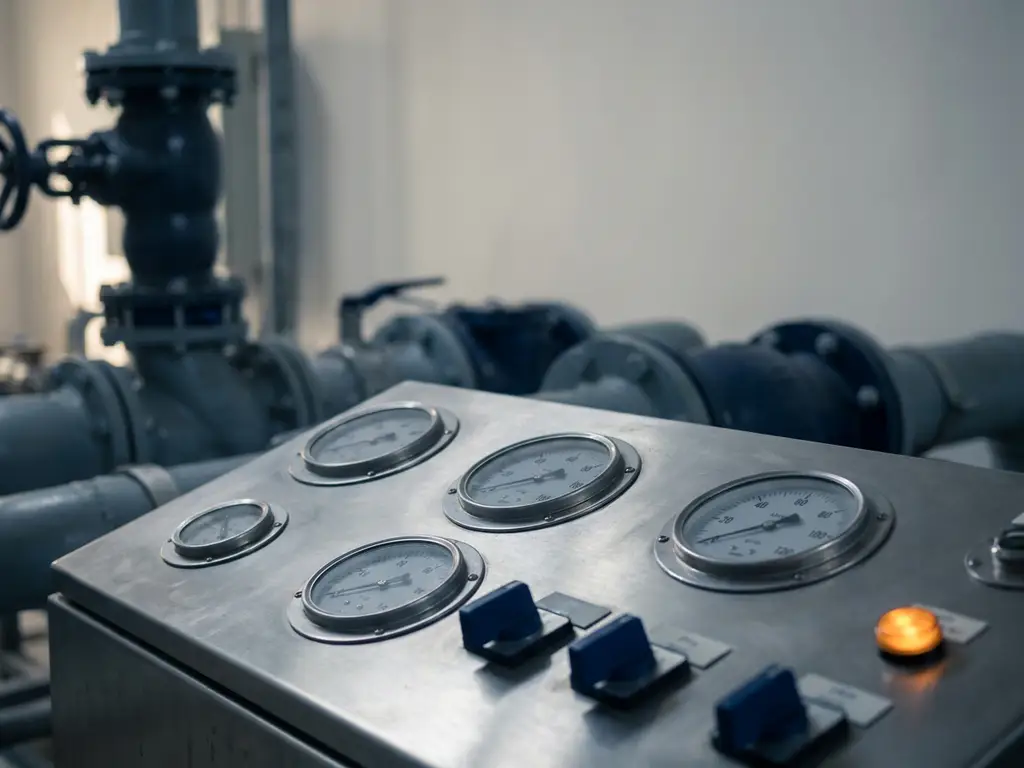
Industrial automation encompasses the broader ecosystem of manufacturing control. It includes process control systems, data collection networks, and software that manages production workflows. These systems monitor temperature, pressure, flow rates, and other variables while making real-time adjustments to maintain optimal conditions. Automation systems coordinate multiple machines, manage inventory levels, and ensure quality standards throughout production.
Robotics, by contrast, focuses on programmable machines that perform physical tasks. Industrial robots excel at repetitive motions like welding, painting, assembly, and material handling. They provide precision, consistency, and endurance for specific manufacturing operations. Modern robots can adapt to variations in their environment and perform complex sequences of movements with remarkable accuracy.
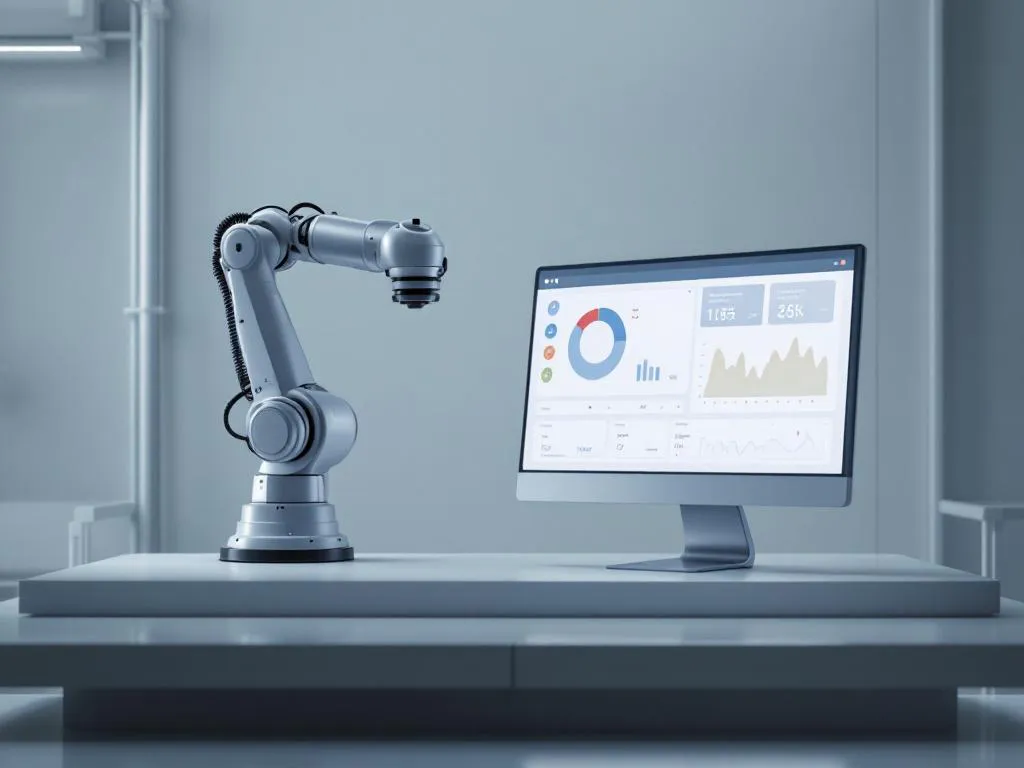
The key distinction lies in scope and function. Automation thinks and decides, while robotics acts and executes. Both technologies work together to create efficient manufacturing environments where automated systems coordinate robotic operations for maximum productivity.
How do industrial automation systems actually work in practice?
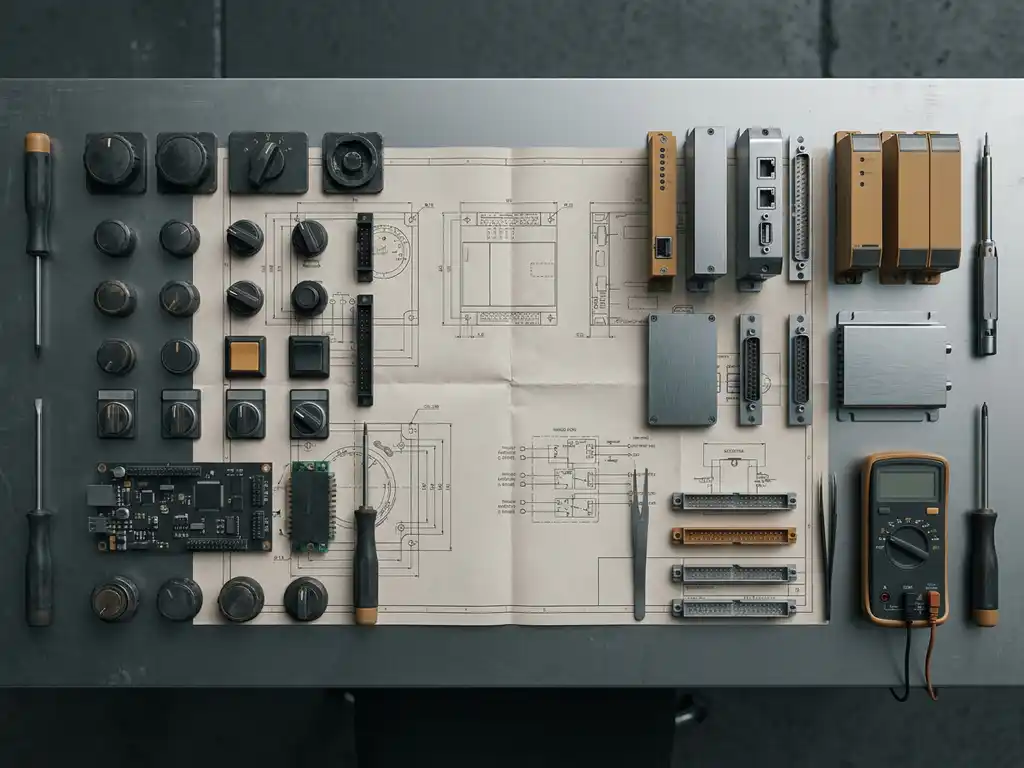
Industrial automation systems use interconnected components including PLCs (Programmable Logic Controllers), SCADA (Supervisory Control and Data Acquisition), HMI (Human-Machine Interface), and process control networks. These elements work together to monitor conditions, make decisions, and control equipment with minimal human intervention, creating seamless production processes.
PLCs serve as the brain of automation systems, executing programmed logic to control machinery and processes. They receive input signals from sensors measuring temperature, pressure, flow, and position, then send output signals to actuators, valves, and motors. PLCs make split-second decisions based on programmed parameters, ensuring consistent operation even during complex production scenarios.
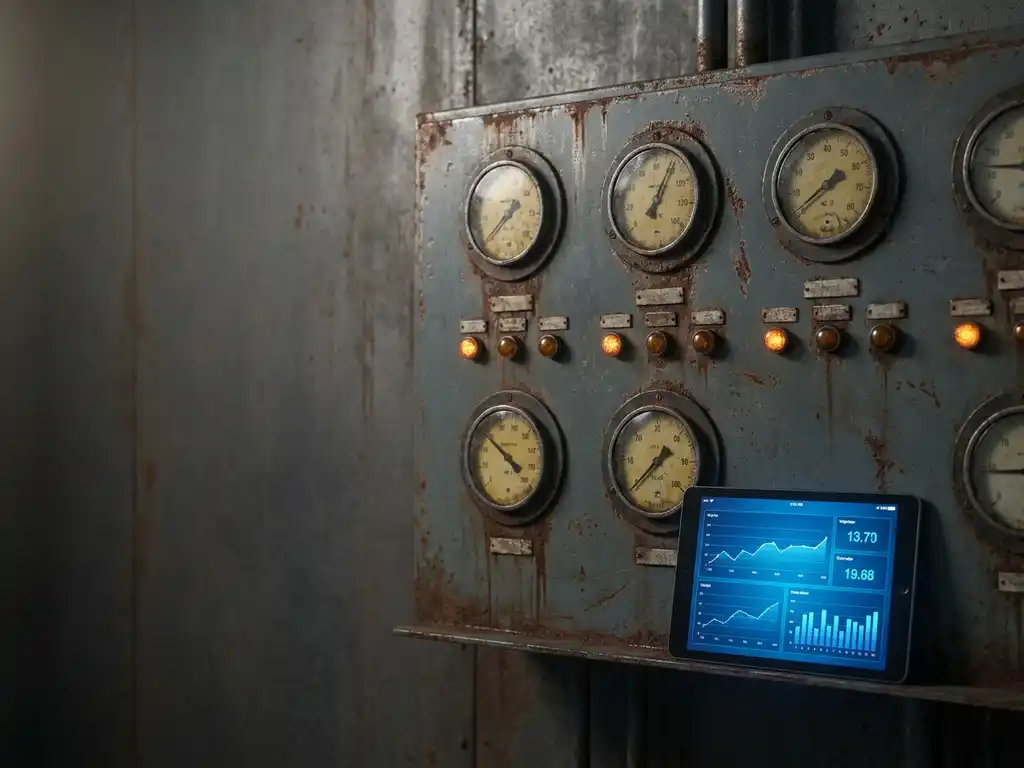
SCADA systems provide the oversight layer, collecting data from multiple PLCs and other control devices across entire facilities. They enable operators to monitor production from central control rooms, track performance metrics, and respond to alarms or unusual conditions. SCADA systems store historical data for analysis and help identify trends that improve efficiency.
HMI interfaces allow human operators to interact with automated systems through touchscreens, displays, and control panels. These interfaces present complex system information in understandable formats, enabling operators to adjust parameters, acknowledge alarms, and override automatic functions when necessary.
Process control networks connect all these components, enabling communication between devices and systems. These networks carry sensor data, control commands, and status information throughout facilities, creating integrated manufacturing environments where all elements work in coordination.
What types of tasks are better suited for robotics versus automation?
Robotics excels at repetitive physical tasks requiring precision and consistency, such as assembly, welding, material handling, and packaging. Industrial automation is better suited to process monitoring, quality control, system integration, and workflow coordination. The choice depends on whether you need physical manipulation or system-level control and optimization.
Robotic solutions work best for tasks involving direct contact with products or materials. Assembly operations benefit from robotic precision, especially when dealing with small components or tight tolerances. Welding robots provide consistent bead quality and can work in hazardous environments. Material-handling robots move products efficiently between production stages, reducing manual labor and improving safety.
Packaging and palletizing represent ideal robotic applications, where consistent positioning and gentle handling protect product quality. Paint-spraying robots ensure uniform coverage while minimizing waste and exposure to harmful chemicals. Pick-and-place operations in electronics manufacturing require the speed and accuracy that robotics provides.
Automation systems excel at overseeing entire production processes. They monitor chemical reactions in pharmaceutical manufacturing, maintaining precise temperature and pressure conditions. Food processing benefits from automation’s ability to track ingredients, control mixing processes, and ensure safety standards. Quality control systems automatically inspect products, rejecting items that do not meet specifications.
Energy management, inventory tracking, and production scheduling represent automation strengths. These systems coordinate multiple production lines, optimize resource usage, and adapt to changing demand patterns. Automation handles the thinking and planning, while robotics provides the physical execution of specific tasks within those larger processes.
Why do modern factories combine both automation and robotics?
Modern factories integrate automation and robotics to create smart manufacturing environments that maximize efficiency, quality, and flexibility. Automation systems coordinate robotic operations, while robots execute the physical tasks within automated workflows. This combination delivers comprehensive solutions that handle both system-level control and precise task execution.
Integration allows factories to achieve levels of efficiency impossible with either technology alone. Automation systems schedule robotic operations based on production demands, inventory levels, and quality requirements. They coordinate multiple robots working on assembly lines, ensuring smooth material flow and optimal cycle times. When one robot completes its task, the automation system signals the next robot in sequence.
Quality control benefits significantly from this integration. Automated inspection systems identify defective products and direct robots to remove them from production lines. Vision systems guide robots to precise positions for assembly or welding operations. This coordination ensures consistent quality while maintaining production speed.
Flexibility represents another major advantage. Automated systems can reprogram robots for different products or adjust their operations based on changing requirements. This adaptability allows manufacturers to respond quickly to market demands without extensive manual reconfiguration. The combination supports mass customization, where automated systems manage product variations while robots handle the physical changes required.
Data collection and analysis improve when both technologies work together. Automation systems gather performance data from robotic operations, identifying opportunities for optimization. This information helps predict maintenance needs, reduce downtime, and continuously improve manufacturing processes.
How does CoNet help with industrial automation and robotics integration?
We specialize in Siemens automation solutions and PCS 7 process control systems, helping manufacturers integrate automation and robotic systems for optimal performance. Our expertise covers the complete project lifecycle, from initial consultation through ongoing support, ensuring seamless coordination between automated processes and robotic operations.
Our comprehensive services include:
- System design and engineering – Creating integrated solutions that coordinate automation and robotics
- PCS 7 implementation – Deploying advanced process control systems for complex manufacturing environments
- SCADA and HMI development – Building user interfaces that manage both automated processes and robotic operations
- Network integration – Connecting automation systems with robotic controllers for seamless communication
- 24/7 technical support – Ensuring continuous operation of integrated manufacturing systems
As certified Siemens specialists, we understand how to optimize both automation and robotics within unified manufacturing environments. Our team handles everything from initial assessment through system commissioning, ensuring your integrated solutions deliver maximum efficiency and reliability.
Ready to explore how integrated automation and robotics can transform your manufacturing operations? Contact our specialists to discuss your specific requirements and discover the possibilities for your facility.