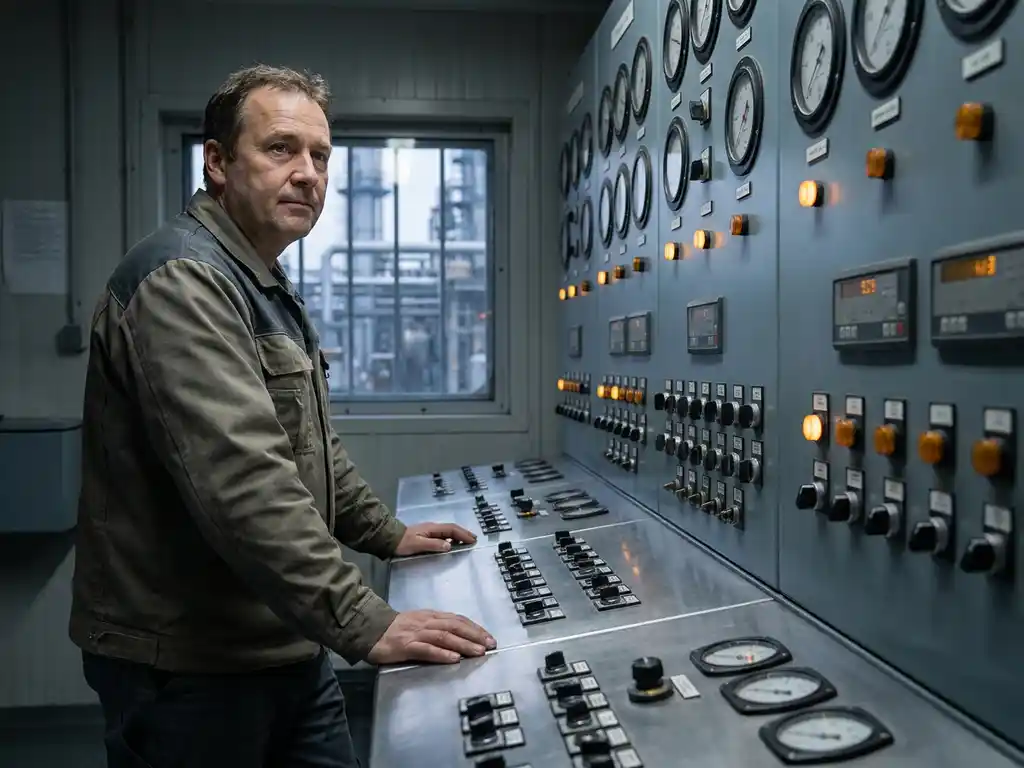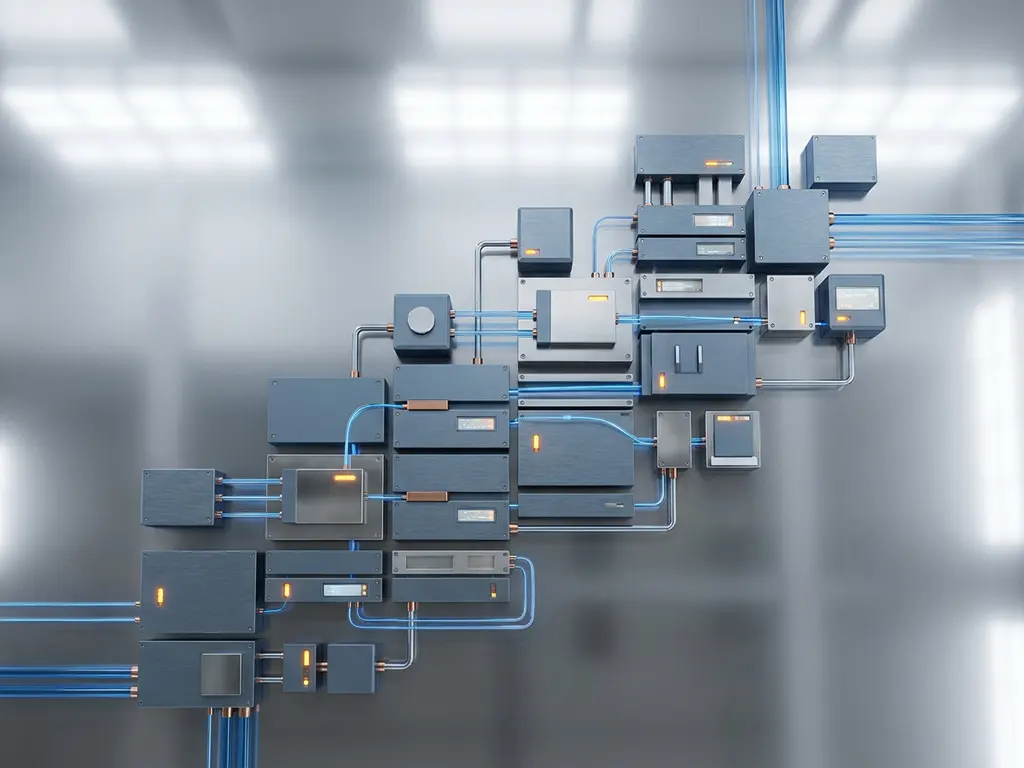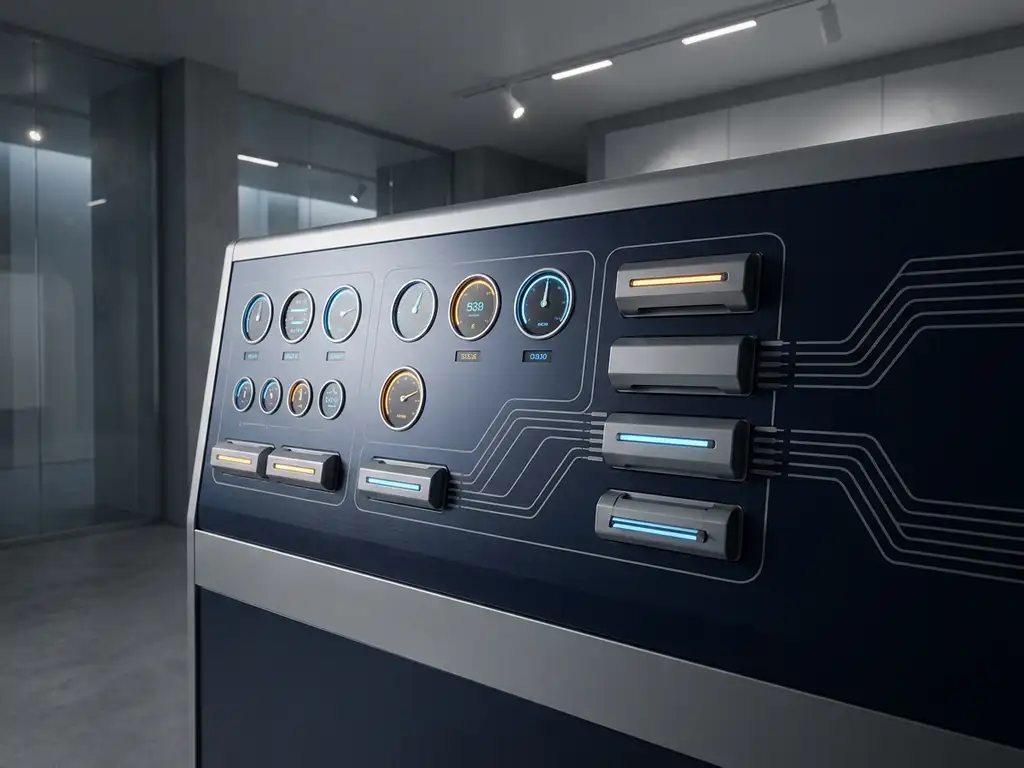

Industrial automation systems rely on various sensors to monitor, control, and optimise manufacturing processes. The primary types include temperature, pressure, flow, level, proximity, and motion sensors. These devices collect real-time data from production environments, enabling automated systems to make instant adjustments, maintain safety standards, and ensure consistent product quality across different industrial applications.
What are the main types of sensors used in industrial automation?
Industrial automation systems utilise six main sensor categories: temperature sensors for thermal monitoring, pressure sensors for force measurement, flow sensors for liquid and gas movement, level sensors for material quantity detection, proximity sensors for object detection, and motion sensors for movement tracking.
Temperature sensors monitor heat levels in processes, equipment, and environments to prevent overheating and maintain optimal operating conditions. Pressure sensors measure force applied by liquids or gases in pipelines, tanks, and hydraulic systems. Flow sensors track the movement rate of materials through pipes and channels, ensuring proper distribution and preventing blockages.
Level sensors determine the amount of material in containers, tanks, and silos, preventing overflow or shortage situations. Proximity sensors detect the presence or absence of objects without physical contact, making them ideal for automated assembly lines. Motion sensors track movement and vibration in machinery, helping identify potential maintenance issues before they cause failures.
These sensors work together to create comprehensive monitoring systems that enable automated decision-making, improve safety, and maintain consistent production quality across various industrial applications.
How do temperature and pressure sensors work in automated systems?
Temperature sensors use three main technologies: thermocouples that generate voltage based on temperature differences, RTDs (Resistance Temperature Detectors) that change electrical resistance with temperature, and thermistors that provide high sensitivity in specific temperature ranges. Pressure sensors employ strain gauge, capacitive, or piezoelectric mechanisms to convert physical force into electrical signals.
Thermocouples work by joining two different metals that create a small voltage when heated. This voltage corresponds directly to temperature, making them suitable for high-temperature applications like furnaces and engines. RTDs use pure metals (typically platinum) whose electrical resistance changes predictably with temperature, providing excellent accuracy and stability.
Pressure sensors with strain gauges measure deformation when force is applied, converting mechanical stress into electrical signals. Capacitive pressure sensors detect changes in capacitance as pressure affects the distance between conductive plates. Piezoelectric sensors generate electrical charge when mechanical pressure is applied, making them ideal for dynamic pressure measurements.
Both sensor types integrate with control systems through standardised communication protocols, sending continuous data streams that enable automated responses to changing conditions. This real-time monitoring prevents equipment damage, maintains process stability, and ensures safety compliance in industrial environments.
What’s the difference between analog and digital sensors in automation?
Analog sensors provide continuously variable signals that change smoothly with measured conditions, while digital sensors output discrete binary signals or structured data packets. Analog sensors offer effectively infinite resolution within their range, whereas digital sensors provide specific measurement values at defined intervals with built-in processing capabilities.
Analog sensors transmit signals as voltage or current variations, typically using 4–20 mA or 0–10 V standards. These continuous signals allow precise measurement representation but can be affected by electrical interference over long distances. The receiving control system must convert these analog signals into digital format for processing.
Digital sensors process measurements internally and transmit data as structured information through communication protocols like Modbus, Profibus, or Ethernet. This approach provides better noise immunity, enables longer transmission distances, and includes additional information such as sensor status, diagnostics, and configuration data.
Integration with modern control systems like PCS 7 and SCADA platforms favours digital sensors because they provide richer information and simplified wiring. However, analog sensors remain valuable for applications requiring continuous monitoring and immediate response to gradual changes in process conditions.
Why are smart sensors becoming essential in modern factories?
Smart sensors combine traditional measurement capabilities with built-in intelligence, offering self-diagnostics, wireless communication, predictive maintenance features, and direct integration with Industrial IoT systems. They provide enhanced data collection, reduce maintenance costs, and enable proactive decision-making that prevents costly production interruptions.
These intelligent devices continuously monitor their own performance, detecting calibration drift, connection problems, or component wear before they affect measurement accuracy. This self-diagnostic capability reduces maintenance requirements and prevents unexpected sensor failures that could disrupt production.
Wireless communication eliminates complex wiring installations, which is particularly valuable when retrofitting existing facilities or monitoring remote locations. Smart sensors can form mesh networks, automatically routing data through the most reliable paths and maintaining communication even if individual devices fail.
Predictive maintenance features analyse measurement patterns and sensor performance trends to identify potential issues weeks or months before they occur. This capability enables scheduled maintenance during planned downtime rather than emergency repairs during production periods.
Integration with Industrial IoT systems allows smart sensors to contribute to broader factory optimisation initiatives, providing data for artificial intelligence algorithms that improve overall equipment effectiveness and energy efficiency.
How do you choose the right sensors for your industrial process?
Sensor selection requires evaluating environmental conditions, accuracy requirements, response time needs, communication protocols, and compatibility with existing automation infrastructure. Consider temperature ranges, chemical exposure, vibration levels, and electrical interference when matching sensor specifications to application demands.
Environmental conditions determine sensor housing materials, protection ratings, and operating temperature ranges. Chemical processes may require sensors with corrosion-resistant materials or special coatings. High-vibration environments need sensors with robust mechanical construction and secure mounting systems.
Accuracy requirements vary significantly between applications. Critical safety systems demand high-precision sensors with redundant measurement capabilities, while general monitoring applications may accept lower accuracy in exchange for cost savings. Response time becomes crucial in fast-changing processes where delayed measurements could affect product quality or safety.
Communication protocol compatibility ensures seamless integration with existing control systems. Modern installations typically favour digital protocols that provide additional diagnostic information and simplified wiring. However, legacy systems may require analog sensors or protocol converters for proper integration.
Consider total cost of ownership, including initial purchase price, installation complexity, calibration requirements, and expected maintenance needs. In many cases, higher initial costs for smart sensors provide long-term savings through reduced maintenance and improved process optimisation.
Hoe CoNet helpt bij industriële sensorimplementatie
We provide comprehensive sensor integration services within Siemens automation systems, combining technical expertise with practical implementation support. Our approach covers consultation, system design, installation guidance, and ongoing maintenance to ensure optimal sensor performance throughout the entire project lifecycle.
Our sensor implementation services include:
- Technical consultation – Analysing your specific process requirements and recommending appropriate sensor technologies
- System design – Creating integrated solutions that combine sensors with PCS 7 and SCADA platforms
- Installation support – Providing guidance on proper mounting, wiring, and commissioning procedures
- Calibration services – Ensuring accurate measurements through professional calibration and validation
- Ongoing maintenance – Offering preventive maintenance programmes and rapid response support
- Training programmes – Teaching your team proper sensor operation and basic troubleshooting techniques
Our expertise with Siemens automation systems ensures seamless integration between sensors and control platforms, maximising the value of your industrial automation investment. We understand the critical role sensors play in maintaining production efficiency and safety standards.
Ready to optimise your industrial processes with properly selected and implemented sensors? Contact our automation specialists to discuss your specific sensor requirements and discover how we can enhance your facility’s performance and reliability.