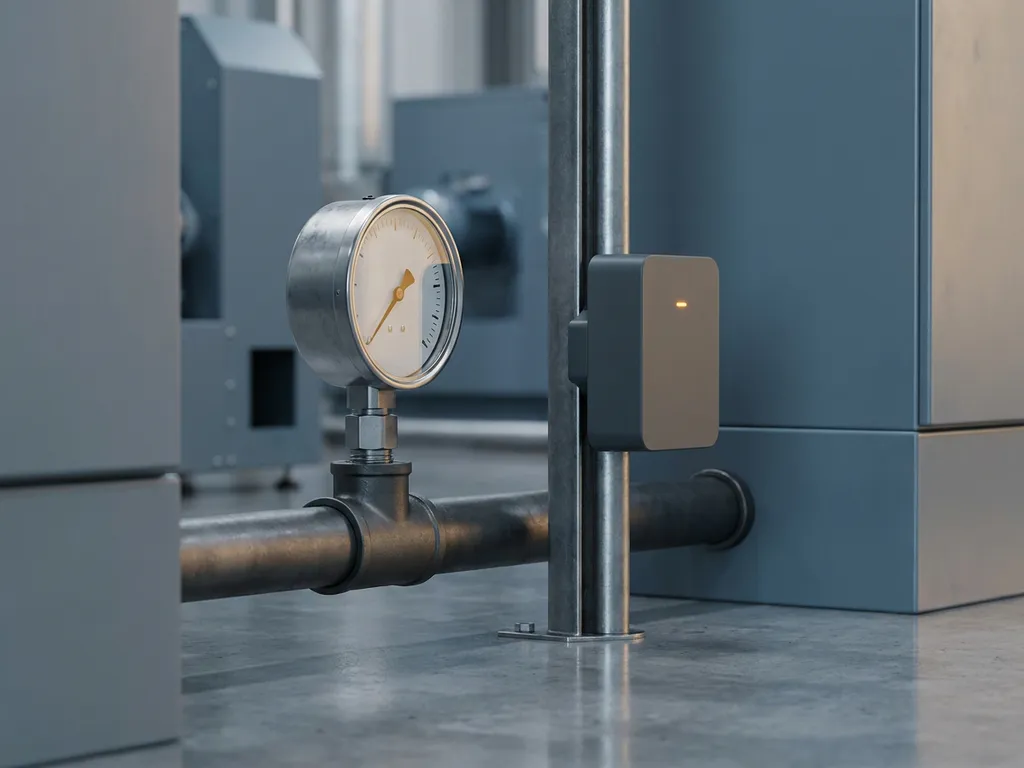


Preventive plant care involves scheduled maintenance activities performed before equipment failures occur, helping industrial facilities maintain optimal performance and avoid costly breakdowns. This proactive approach reduces unexpected downtime, extends equipment lifespan, and ensures consistent production quality. Understanding the benefits and implementation strategies helps manufacturers maximise their operational efficiency and profitability.
What is preventive plant care and why is it essential for industrial operations?
Preventive plant care is a systematic maintenance approach that involves regularly scheduled inspections, servicing, and component replacements before equipment failures occur. This proactive strategy maintains industrial systems at peak performance through planned interventions rather than reactive repairs.
The essential nature of preventive plant care stems from its ability to ensure operational continuity in manufacturing environments. Industrial facilities depend on complex, interconnected systems where a single component failure can halt entire production lines. Regular maintenance activities identify potential issues early, allowing for planned repairs during scheduled downtime rather than emergency shutdowns.
Safety considerations make preventive maintenance crucial for industrial operations. Well-maintained equipment operates within design parameters, reducing the risk of accidents, environmental incidents, or regulatory violations. This approach protects both personnel and facility assets while maintaining compliance with industry standards.
Manufacturing efficiency relies heavily on consistent equipment performance. Preventive plant care ensures machinery operates at optimal capacity, maintaining product quality standards and meeting production targets. This reliability becomes particularly important in industries with strict quality requirements or tight delivery schedules.
How does preventive maintenance reduce unexpected downtime and costs?
Preventive maintenance reduces unexpected downtime by identifying and addressing potential equipment problems during planned maintenance windows. This approach prevents minor issues from developing into major failures that could shut down production lines unexpectedly.
Scheduled maintenance activities allow facilities to plan downtime around production schedules, minimising operational disruption. Maintenance teams can prepare necessary parts, tools, and personnel in advance, ensuring efficient repair processes. This planning contrasts sharply with emergency repairs that often require immediate attention regardless of production demands.
Cost reduction occurs through several mechanisms. Emergency repairs typically cost significantly more than planned maintenance due to overtime labour, expedited parts delivery, and production losses. Preventive care spreads maintenance costs evenly over time while avoiding the financial impact of unexpected shutdowns.
Equipment lifespan extension provides substantial long-term savings. Regular maintenance keeps machinery operating within design specifications, reducing wear and tear that leads to premature replacement. This approach maximises return on capital investments while maintaining reliable production capacity.
The cost-benefit analysis consistently favours preventive maintenance. While requiring ongoing investment in scheduled activities, the approach eliminates expensive emergency repairs and reduces insurance premiums through improved safety records.
What are the key components of an effective preventive plant care strategy?
An effective preventive plant care strategy comprises several integrated components working together to maintain optimal equipment performance. These elements create a comprehensive maintenance programme that addresses all aspects of industrial facility management.
Scheduled inspections form the foundation of preventive maintenance programmes. Regular visual checks, measurements, and testing activities identify developing problems before they cause equipment failures. These inspections follow predetermined schedules based on equipment manufacturer recommendations and operational experience.
Condition monitoring systems provide continuous oversight of critical equipment parameters. Vibration analysis, temperature monitoring, and oil analysis reveal equipment health trends that guide maintenance decisions. This data-driven approach ensures interventions occur at optimal times.
Equipment calibration maintains measurement accuracy and process control throughout industrial systems. Regular calibration activities ensure instruments provide reliable data for process optimisation and quality control. This component becomes particularly important in industries with strict regulatory requirements.
Spare parts management ensures necessary components remain available when needed. Effective inventory systems balance carrying costs with availability requirements, preventing delays during planned maintenance activities. Strategic sourcing relationships provide reliable access to critical components.
Documentation systems track maintenance activities, equipment history, and performance trends. These records support decision-making processes while providing evidence of compliance with regulatory requirements. Digital systems increasingly replace paper-based approaches for improved accessibility and analysis capabilities.
How do modern automation systems support preventive maintenance programs?
Modern automation systems integrate seamlessly with preventive maintenance programmes by providing real-time equipment monitoring, predictive analytics, and automated scheduling capabilities. These technologies enhance traditional maintenance approaches through data-driven insights and improved efficiency.
Advanced process control systems continuously monitor equipment performance parameters, automatically flagging deviations from normal operating ranges. This constant surveillance identifies potential issues immediately, allowing maintenance teams to investigate problems before they escalate into failures.
IoT sensors throughout industrial facilities collect vast amounts of operational data, creating comprehensive equipment health profiles. Temperature, pressure, vibration, and flow measurements provide detailed insights into machinery condition. This information supports both scheduled maintenance decisions and emergency response planning.
Data analytics platforms process sensor information to identify patterns and predict equipment failures. Machine learning algorithms analyse historical data to determine optimal maintenance intervals and predict component replacement needs. This predictive capability transforms maintenance from reactive to proactive approaches.
Automated scheduling systems coordinate maintenance activities with production requirements, optimising facility utilisation. These systems consider equipment criticality, spare parts availability, and workforce capacity when planning maintenance windows. Integration with enterprise resource planning systems ensures comprehensive facility management.
Digital documentation platforms centralise maintenance records, providing instant access to equipment histories and maintenance procedures. Mobile applications enable field technicians to update records in real time while accessing technical documentation during maintenance activities.
What measurable benefits can companies expect from implementing preventive plant care?
Companies implementing preventive plant care typically experience measurable improvements across multiple operational areas. These quantifiable benefits demonstrate the value of systematic maintenance approaches and support ongoing investment decisions.
Equipment lifespan increases substantially through regular maintenance activities. Properly maintained machinery often operates effectively well beyond manufacturer warranties, maximising return on capital investments. This extended operational life reduces replacement costs while maintaining production capacity.
Safety metrics improve significantly with preventive maintenance programmes. Fewer equipment failures reduce accident risks, while regular inspections identify potential hazards before they cause incidents. Improved safety records often result in reduced insurance premiums and enhanced regulatory compliance.
Product quality becomes more consistent when equipment operates within design specifications. Preventive maintenance ensures process parameters remain stable, reducing defect rates and customer complaints. This quality improvement supports premium pricing strategies and customer retention efforts.
Maintenance costs decrease over time as emergency repairs become less frequent. Planned maintenance activities cost significantly less than emergency interventions while providing better outcomes. Budget predictability improves as maintenance expenses become more consistent and manageable.
Production efficiency gains result from reduced downtime and improved equipment reliability. Facilities achieve higher output rates while maintaining quality standards. These efficiency improvements directly impact profitability through increased revenue and reduced operational costs.
Energy consumption often decreases as well-maintained equipment operates more efficiently. Regular maintenance ensures optimal performance while identifying opportunities for energy savings. These reductions contribute to both cost savings and environmental sustainability goals.
How CoNet helps with preventive plant care
We specialise in implementing comprehensive preventive plant care solutions through advanced Siemens automation technologies. Our expertise in process automation and industrial systems enables facilities to achieve optimal maintenance efficiency while maximising operational performance.
Our preventive maintenance approach includes:
- PCS7 process optimisation systems that provide real-time equipment monitoring and predictive maintenance capabilities
- Condition monitoring solutions that track critical equipment parameters and identify maintenance needs
- Integrated maintenance scheduling systems that coordinate activities with production requirements
- Comprehensive documentation platforms that centralise maintenance records and procedures
- 24/7 technical support ensuring continuous system operation and rapid issue resolution
Our team combines deep technical expertise with practical industrial experience, ensuring preventive maintenance programmes deliver measurable results. We work closely with facilities to develop customised solutions that address specific operational requirements while integrating seamlessly with existing systems.
Ready to implement effective preventive plant care for your facility? Contact us to discuss how our Siemens automation solutions can optimise your maintenance programmes and improve operational efficiency.