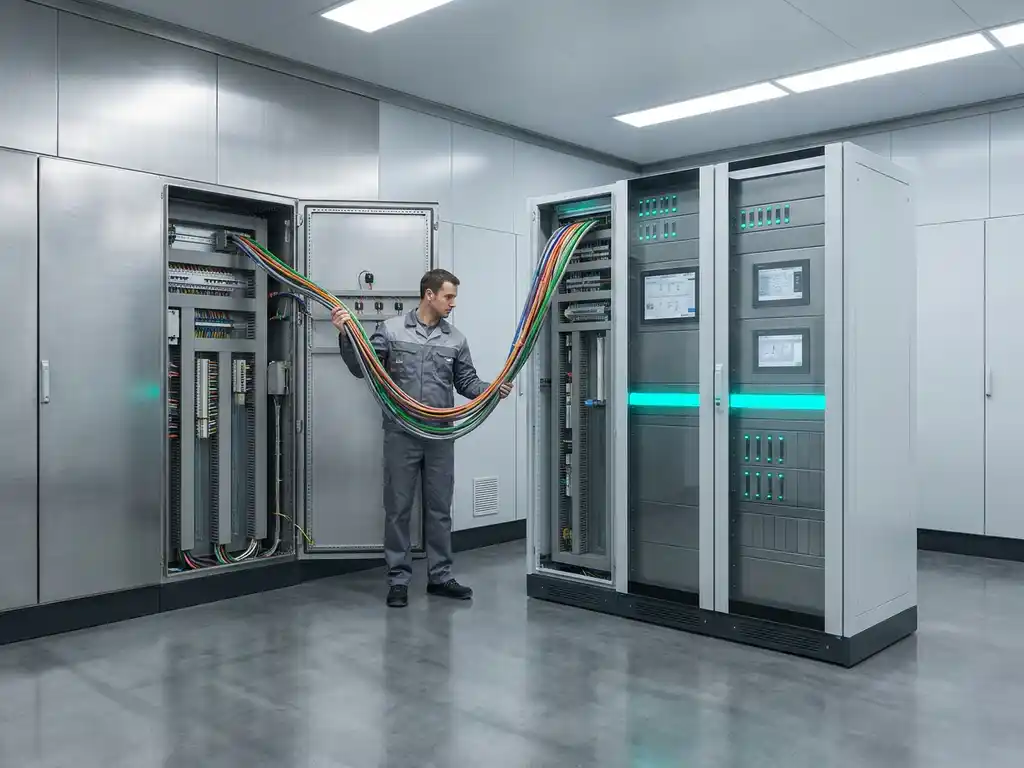


End-to-end plant care encompasses the complete management of industrial facilities from initial design through decommissioning. This comprehensive approach integrates process control systems, preventive maintenance protocols, and continuous optimization strategies to ensure optimal performance throughout the entire plant lifecycle. Modern plant care combines technical expertise with strategic planning to maximize operational efficiency and equipment longevity.
What does end-to-end plant care actually mean in industrial automation?
End-to-end plant care refers to a holistic approach that covers every aspect of industrial facility management throughout its entire operational lifespan. This comprehensive strategy begins with initial system design and engineering, continues through installation and commissioning, and extends all the way to eventual modernization or decommissioning.
The scope of comprehensive plant care includes several critical components. Process control system integration ensures all automation elements work together seamlessly, while maintenance protocols keep equipment running at peak efficiency. Continuous optimization strategies adapt operations to changing requirements and technological advances.
This approach differs from traditional maintenance models by taking a proactive stance rather than relying on reactive problem-solving. Instead of waiting for issues to arise, end-to-end plant care anticipates needs and addresses them systematically. The integration aspect is particularly important, as modern industrial facilities rely on complex interconnected systems that require coordinated management.
How does preventive maintenance fit into comprehensive plant care strategies?
Preventive maintenance serves as the foundation of effective plant care by addressing potential issues before they cause operational disruptions. This proactive approach includes scheduled inspections, predictive analytics, and strategic component replacement to minimize unexpected downtime and extend equipment life significantly.
Scheduled inspections form the backbone of preventive maintenance programs. These regular assessments identify wear patterns, potential failure points, and performance degradation before they impact operations. Predictive analytics enhance this process by using data from sensors and monitoring systems to forecast when components may need attention.
Component replacement strategies within preventive maintenance focus on replacing parts based on condition and usage patterns rather than waiting for failure. This approach reduces emergency repairs, minimizes production interruptions, and allows for better planning of maintenance activities and resource allocation.
The integration of preventive maintenance with overall plant care creates a comprehensive system in which maintenance activities support broader operational goals. This alignment ensures that maintenance efforts contribute directly to productivity, quality, and safety objectives.
What are the key phases of industrial plant lifecycle management?
Industrial plant lifecycle management consists of five distinct phases: planning and design, installation and commissioning, operational optimization, maintenance and upgrades, and modernization or decommissioning. Each phase requires specific expertise and strategic approaches to ensure optimal plant performance and longevity.
The planning and design phase establishes the foundation for all future operations. This stage involves system architecture development, equipment selection, and integration planning. Proper planning during this phase prevents costly modifications and ensures the plant meets both current and anticipated future requirements.
Installation and commissioning represent the transition from design to reality. During this phase, systems are installed, tested, and validated to ensure they meet design specifications. Commissioning activities verify that all components work together correctly and that safety systems function properly.
Operational optimization focuses on maximizing efficiency and performance once the plant is running. This ongoing phase includes process refinement, performance monitoring, and continuous improvement initiatives. Regular optimization ensures the plant adapts to changing market conditions and operational requirements.
The final phases involve maintenance and upgrades to extend plant life, followed by eventual modernization or decommissioning when the facility reaches the end of its useful life or requires significant technological updates.
Why is 24/7 support critical for effective plant care operations?
Continuous support is essential for industrial plant care because production facilities operate around the clock, and unexpected issues can result in significant financial losses. Emergency response protocols, remote monitoring capabilities, and immediate technical assistance ensure minimal downtime and rapid problem resolution when issues arise.
Emergency response protocols provide structured approaches to handling critical situations. These protocols define escalation procedures, response times, and resource allocation to ensure rapid resolution of urgent issues. Having established procedures reduces response time and ensures consistent handling of emergency situations.
Remote monitoring capabilities enable continuous oversight of plant operations without requiring constant on-site presence. Advanced monitoring systems can detect anomalies, predict potential problems, and alert support teams before issues become critical. This proactive monitoring approach prevents many problems from developing into major disruptions.
On-site technical assistance provides immediate expertise when remote solutions are insufficient. Having qualified technicians available ensures that complex problems receive proper attention quickly. The combination of remote monitoring and on-site support creates a comprehensive safety net for plant operations.
The business impact of rapid problem resolution cannot be overstated. In many industrial environments, even brief production interruptions can cost thousands of pounds per hour. Effective 24/7 support minimizes these costs while maintaining operational continuity.
How do you measure the effectiveness of your plant care program?
Plant care program effectiveness is measured through key performance indicators, including uptime measurements, maintenance cost optimization, energy efficiency improvements, and Overall Equipment Effectiveness calculations. These metrics provide comprehensive insights into program success and identify areas for continued improvement.
Uptime measurements track the percentage of time equipment operates as intended. High uptime percentages indicate effective preventive maintenance and rapid issue resolution. Industry benchmarks vary, but most facilities target uptime levels above 95% for critical equipment.
Maintenance cost optimization examines both direct maintenance expenses and indirect costs from production interruptions. Effective plant care programs typically reduce overall maintenance costs while improving reliability. This metric includes labour costs, parts expenses, and lost production value.
Energy efficiency improvements measure how well the plant care program optimizes resource consumption. Regular maintenance and optimization activities often result in measurable energy savings, which contribute to both cost reduction and environmental sustainability goals.
Overall Equipment Effectiveness (OEE) calculations combine availability, performance, and quality metrics into a single comprehensive measure. OEE provides a holistic view of plant performance and helps identify which aspects of the plant care program deliver the greatest value.
Hoe CoNet helpt met end-to-end plant care
We provide comprehensive end-to-end plant care services specifically tailored to industrial automation requirements. Our expertise spans the complete plant lifecycle, from initial design and engineering through ongoing maintenance and optimization, ensuring optimal performance throughout your facility’s operational life.
Our specialized services include:
- Complete lifecycle support covering design, installation, commissioning, and ongoing optimization
- 24/7 technical support with emergency response protocols and remote monitoring capabilities
- Preventive maintenance programs designed to minimize downtime and extend equipment life
- Process optimization services that adapt to changing operational requirements
- Integration expertise ensuring all automation systems work together seamlessly
We serve diverse industrial sectors, including chemical processing, food and beverage, and energy production. Our approach combines technical expertise with strategic planning to deliver plant care solutions that support your operational goals and business objectives.
Ready to optimize your plant care strategy? Contact us to discuss how our comprehensive plant care services can enhance your facility’s performance and reliability.