
End-to-end plant care services are comprehensive industrial automation solutions that cover the complete lifecycle of plant operations, from initial design and installation through ongoing maintenance, optimization, and system upgrades. These integrated services provide a single point of contact for all plant automation needs, ensuring operational continuity and maximizing equipment performance across diverse industrial sectors.
What exactly are end-to-end plant care services?
End-to-end plant care services encompass the full spectrum of industrial automation support, covering everything from initial system design and engineering through installation, commissioning, ongoing maintenance, and lifecycle management. This comprehensive approach ensures that all aspects of your plant’s automation systems work together seamlessly.
The scope of these services typically includes:
- Design and engineering of automation systems tailored to specific industrial processes
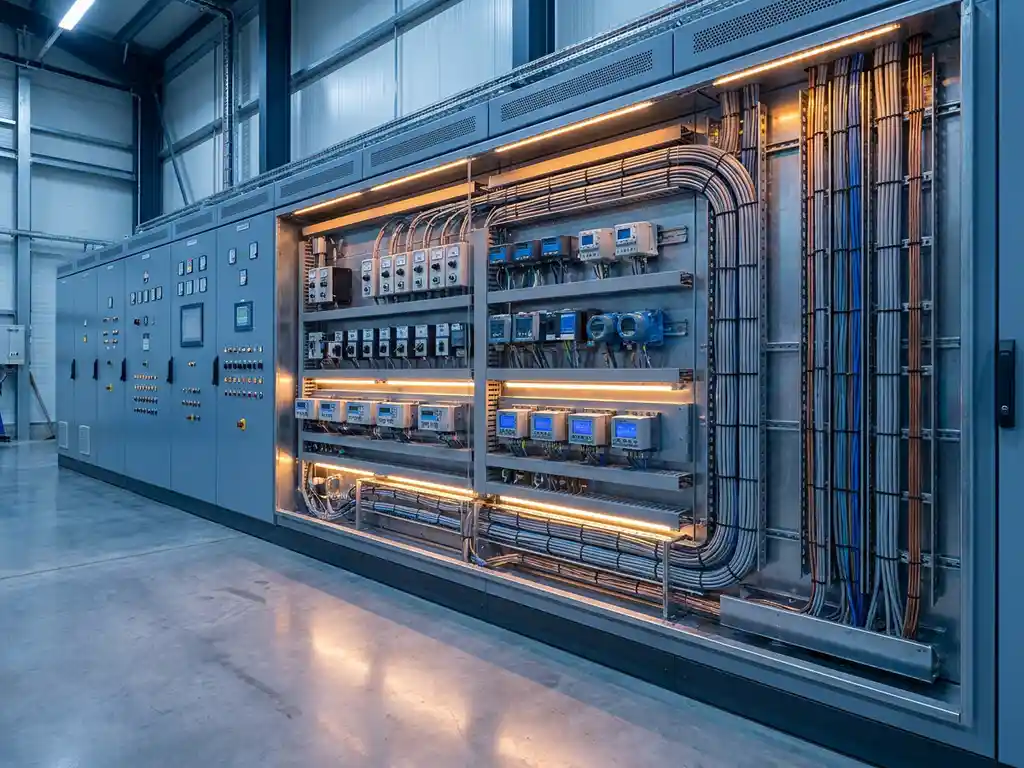
- Installation and commissioning of control systems, instrumentation, and safety systems
- Ongoing maintenance and support, including preventive and predictive maintenance programs
- System optimization and performance monitoring to maximize efficiency
- Upgrades and modernization of existing equipment and software
- Training and technical support for plant personnel
- 24/7 emergency response and troubleshooting services
This holistic approach ensures that every component of your automation infrastructure receives expert attention throughout its operational life. Rather than managing multiple vendors and service providers, you benefit from integrated solutions that consider how each system element affects overall plant performance.
Why do industrial facilities need comprehensive plant care providers?
Industrial facilities require comprehensive plant care providers to ensure operational continuity, reduce costs, and maintain a competitive advantage. Fragmented maintenance approaches often lead to communication gaps, compatibility issues, and increased downtime that can significantly impact production and profitability.
The critical benefits of integrated plant care include:
Operational continuity becomes more reliable when one provider understands your entire system architecture. This comprehensive knowledge enables faster problem resolution and prevents issues that might arise from poor coordination between multiple service providers.
Cost efficiency improves through consolidated service contracts, reduced administrative overhead, and optimized maintenance scheduling. When one provider manages all aspects of plant care, they can coordinate activities to minimize production disruptions and maximize resource utilization.
Technical expertise consolidation ensures that your service provider develops deep knowledge of your specific processes and equipment. This familiarity leads to more effective troubleshooting, better preventive maintenance strategies, and more informed recommendations for system improvements.
Risk mitigation becomes more effective when responsibility for plant performance rests with a single, accountable provider. This arrangement eliminates finger-pointing between vendors and ensures clear accountability for system performance and reliability.
What should you look for in an end-to-end plant care service provider?
When evaluating plant care providers, prioritize technical expertise, industry certifications, proven experience in your sector, and the ability to provide comprehensive support throughout your equipment lifecycle. The right provider should demonstrate deep knowledge of your specific automation platforms and industry requirements.
Essential evaluation criteria include:
Technical certifications from major automation manufacturers ensure your provider has the expertise to work with your specific equipment. Look for certified specialists in your primary automation platforms, such as advanced certifications in process control systems.
Industry experience in your sector is crucial because different industries have unique requirements, safety standards, and operational challenges. Providers with relevant sector experience understand your specific needs and regulatory requirements.
Service scope should cover your complete automation infrastructure, from basic instrumentation through advanced process control and safety systems. Comprehensive providers can handle integration challenges and ensure all systems work together effectively.
Response capabilities, including 24/7 support availability and guaranteed response times, are essential for maintaining operational continuity. Emergency support capabilities can prevent minor issues from becoming major production disruptions.
Geographic coverage ensures that support is available across all your facilities, with a local presence for routine maintenance and rapid response in emergency situations.
How do end-to-end plant care services differ from traditional maintenance?
End-to-end plant care services take a proactive, integrated approach that focuses on preventing problems and optimizing performance, while traditional maintenance typically responds to issues after they occur. This comprehensive approach provides better value through improved uptime, efficiency, and equipment longevity.
Key differences include:
Proactive strategies replace reactive maintenance approaches. Instead of waiting for equipment failures, comprehensive plant care uses predictive maintenance techniques, regular system health assessments, and performance monitoring to identify and address potential issues before they cause downtime.
System integration considerations ensure that maintenance activities account for how different systems interact. Traditional maintenance often treats each piece of equipment independently, potentially missing issues that arise from system interactions.
Lifecycle management takes a long-term view of equipment performance and replacement needs. Rather than simply fixing problems as they arise, comprehensive plant care includes planning for upgrades, modernization, and strategic improvements that enhance overall plant performance.
Performance optimization goes beyond basic maintenance to actively improve system efficiency and capability. This might include software updates, configuration adjustments, and process improvements that traditional maintenance approaches typically overlook.
A single point of contact eliminates coordination challenges between multiple service providers, reducing communication gaps and ensuring consistent service quality across all plant systems.
How CoNet helps with end-to-end plant care services
We provide comprehensive plant care services as a certified Siemens specialist, offering complete lifecycle support for industrial automation systems across the chemical, food & beverage, and energy sectors. Our expertise covers everything from initial engineering through 24/7 operational support.
Our end-to-end plant care services include:
- Complete system design and engineering with approximately 40,000–50,000 hours of annual engineering capacity
- Installation and commissioning of Siemens PCS 7 process automation systems
- Ongoing maintenance and optimization services with 24/7 industrial support
- Safety system integration as certified PCS 7 Process Safety Specialists
- Digital grid solutions combining energy management with process automation
- Training and technical support for plant personnel
Our single-brand Siemens strategy ensures deep expertise and seamless integration across all automation components. With locations in Zaandam and Rotterdam, we provide local support while maintaining the technical depth that comes from a specialized focus.
Ready to discuss your plant care requirements? Contact us to learn how our comprehensive approach can improve your operational efficiency and reduce maintenance complexity.