
Industrial automation and process automation serve different manufacturing needs, though both improve operational efficiency. Industrial automation typically controls discrete manufacturing operations such as assembly lines, while process automation manages continuous operations such as chemical production. Understanding which type fits your facility depends on whether you manufacture individual products or handle continuous processes. Both approaches can be integrated for comprehensive operational control.
What is industrial automation and how does it work?
Industrial automation uses control systems to operate manufacturing equipment with minimal human intervention. It focuses on discrete manufacturing processes where individual products move through various stages of production, such as automotive assembly lines or electronics manufacturing.
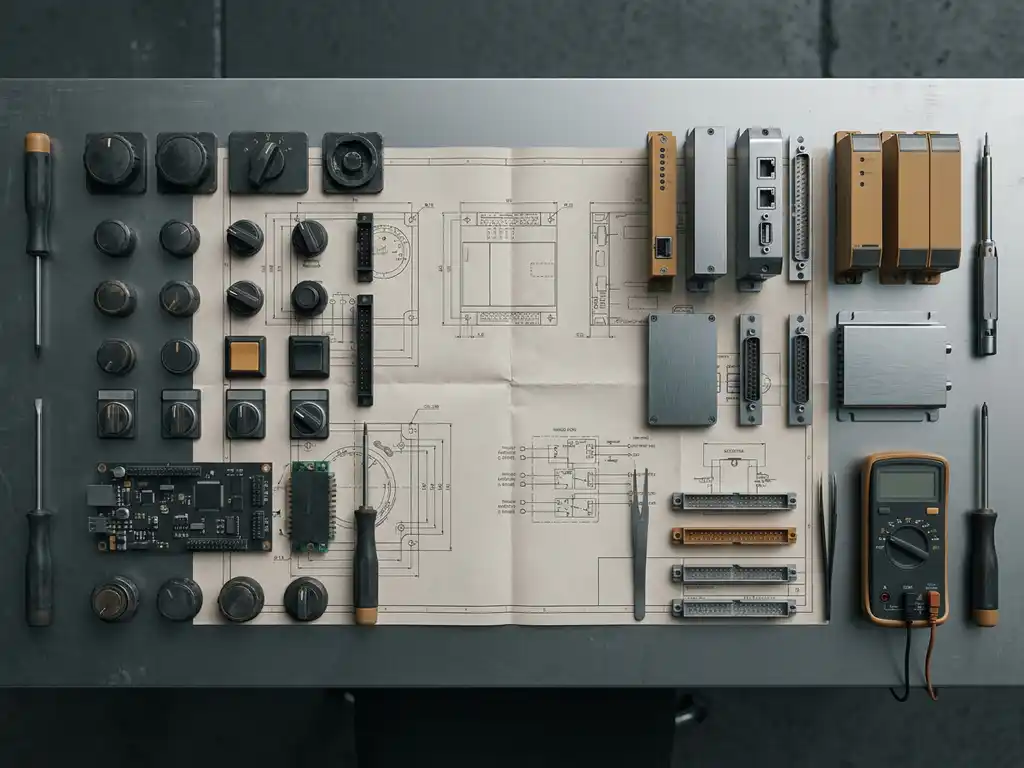
The core components include Programmable Logic Controllers (PLCs) that execute control logic, Human-Machine Interfaces (HMIs) for operator interaction, and various sensors and actuators that monitor and control equipment. These systems coordinate multiple machines to perform specific tasks such as welding, painting, or packaging in predetermined sequences.
Industrial automation excels at controlling discrete operations where products have clear start and end points. The system manages timing, sequencing, and quality control throughout the manufacturing process. Modern industrial automation systems can adapt to different product variants and integrate with enterprise systems for comprehensive production management.
What is process automation and why is it different?
Process automation manages continuous manufacturing operations where materials flow through various stages of transformation. Unlike discrete manufacturing, process automation handles ongoing operations such as chemical reactions, oil refining, food processing, or pharmaceutical production, where materials undergo continuous change.
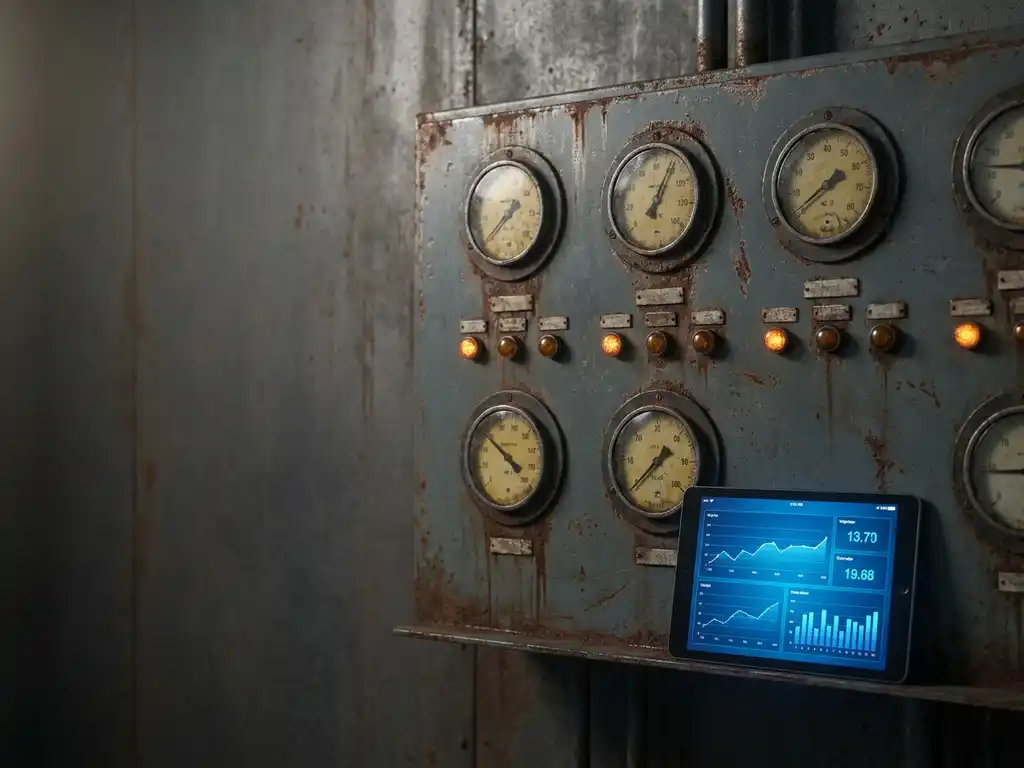
These systems rely on Distributed Control Systems (DCS) and Supervisory Control and Data Acquisition (SCADA) systems rather than traditional PLCs. DCS provides comprehensive process control with advanced regulatory control loops, while SCADA offers wide-area monitoring and control capabilities for geographically distributed operations.
Process automation focuses on maintaining optimal conditions for continuous operations. This includes temperature control, pressure regulation, flow management, and chemical composition monitoring. The systems must handle complex process dynamics and ensure consistent product quality throughout continuous production runs.
What’s the main difference between industrial and process automation?
The fundamental difference lies in the operational approach: industrial automation controls discrete, batch-oriented manufacturing, while process automation manages continuous, flow-based operations. This distinction affects every aspect of system design and implementation.
Control system types differ significantly. Industrial automation typically uses PLCs with ladder logic programming, focusing on sequential control and discrete I/O handling. Process automation employs DCS with function block programming, emphasizing regulatory control loops and analog signal processing.
Application industries also vary. Industrial automation suits automotive, electronics, machinery, and consumer goods manufacturing. Process automation serves chemical, pharmaceutical, oil and gas, food and beverage, and power generation industries where continuous processes dominate.
Implementation approaches reflect these differences. Industrial systems prioritize machine coordination and production sequencing, while process systems focus on maintaining steady-state conditions and managing process variables within specified ranges.
Which type of automation does your facility need?
Your production type determines the most suitable automation approach. If you manufacture individual products that move through distinct production stages, industrial automation is the best fit. If you handle continuous material transformation or chemical processes, process automation is more appropriate.
Consider your industry sector and operational requirements. Discrete manufacturers in automotive, electronics, or machinery typically benefit from industrial automation. Continuous processors in chemicals, pharmaceuticals, or food production usually require process automation capabilities.
Evaluate your control requirements carefully. Do you need precise timing and sequencing for assembly operations? Industrial automation excels here. Do you require complex regulatory control for temperature, pressure, or chemical composition? Process automation provides superior capabilities.
Many facilities combine both approaches. Manufacturing sites often have discrete packaging lines alongside continuous production processes, requiring integrated automation strategies that address both operational types effectively.
How do modern automation systems integrate both approaches?
Modern automation systems increasingly combine industrial and process automation through hybrid architectures. These integrated systems connect discrete manufacturing operations with continuous processes, providing comprehensive operational control across entire production facilities.
Integration occurs at multiple levels, from field devices to enterprise systems. Manufacturing Execution Systems (MES) serve as the integration layer, coordinating between process control systems and factory automation while providing production scheduling, quality management, and performance monitoring.
Communication protocols such as OPC UA enable seamless data exchange between different automation platforms. This connectivity allows process data to influence discrete operations and vice versa, optimizing overall production efficiency and product quality.
Companies benefit from unified operator interfaces that display both process and discrete automation information. This integrated approach reduces training requirements, improves situational awareness, and enables coordinated responses to production challenges affecting multiple operational areas.
Hoe CoNet helpt met industriële en procesautomatisering
We specialize in both industrial and process automation solutions, leveraging our expertise as a certified Siemens partner to deliver comprehensive automation strategies. Our team understands the unique requirements of discrete manufacturing and continuous processes, ensuring optimal system selection and implementation.
Our services include:
- SIMATIC PCS 7 process automation systems for continuous operations
- Industrial automation solutions using Siemens PLCs and HMIs
- System integration between process and factory automation
- MES connectivity and data visualization solutions
- 24/7 industrial support and maintenance services
As the only PCS 7 Process Safety Specialist in the Netherlands and a certified COMOS partner, we provide unmatched expertise in complex automation projects. Whether you need industrial automation for discrete manufacturing or process automation for continuous operations, we deliver tailored solutions that drive operational excellence.
Ready to optimize your automation strategy? Contact us to discuss how we can enhance your facility’s performance through expert automation implementation and support.