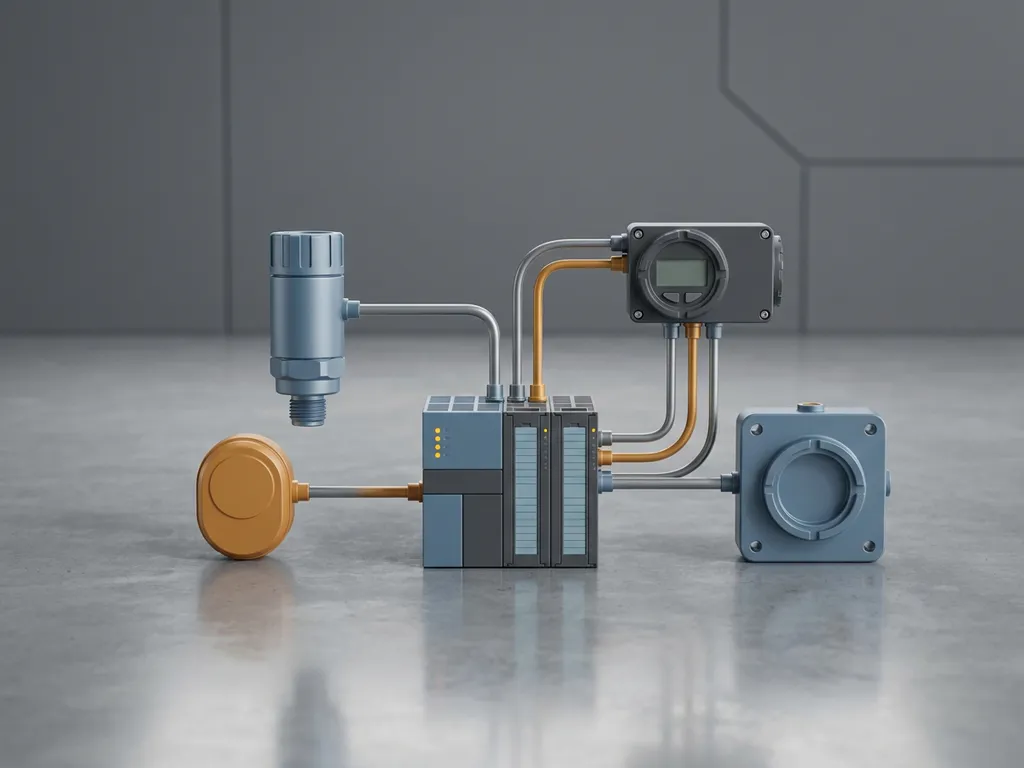

Modern manufacturing rarely runs in a single, continuous stream. Many of the most complex and regulated production environments, from pharmaceutical plants to food processing facilities, rely on discrete, repeatable production runs where precision and consistency are everything. This is where batch control becomes essential. Rather than producing output in an uninterrupted flow, batch systems manage production in defined quantities, following structured sequences that can be repeated, audited, and optimized over time. Understanding how batch control works, and how platforms like Siemens PCS 7 and SIMATIC Batch support it, is increasingly important for operations leaders navigating complex process environments.
Batch processing sits at the intersection of precision engineering and operational discipline. Whether a plant produces specialty chemicals, beverages, or energy products, the ability to control each production run with accuracy directly impacts quality, compliance, and cost. This article walks through the fundamentals of batch control, how it functions across different sectors, and what it takes to optimize batch performance for the long term.
The core principles behind batch control systems
At its foundation, batch control is a method of managing production where a defined quantity of material is processed through a series of operations to produce a finished product. Unlike continuous processes, where material flows without interruption, batch processes have a clear beginning and end. Each run, or batch, follows a recipe that dictates the sequence of operations, the quantities involved, and the conditions required at each stage.
The international standard that governs batch control architecture is ISA-88 (also known as S88), which provides a structured framework for defining equipment, procedures, and recipes. This standard separates the physical model of a plant from the procedural model of production, making it possible to run different products on the same equipment without rebuilding the control logic from scratch. Most modern DCS platforms, including Siemens PCS 7, are designed with S88 compliance at their core, enabling engineers to build flexible, scalable batch environments.
How batch control works step by step
A batch process begins with a recipe, which defines every step the system must execute to produce the target product. This recipe is loaded into the batch management system, which then coordinates the execution across the physical equipment. The system allocates the right units, confirms their availability, and begins executing each phase in the defined sequence.
During execution, the batch controller monitors process conditions in real time, comparing actual values against setpoints defined in the recipe. If a deviation occurs, the system can respond automatically, either by adjusting the process or by flagging an exception for operator review. Once all phases are complete, the system generates a batch record documenting every action taken, every value measured, and every deviation encountered. This record is critical for quality assurance and regulatory compliance. Tools like the SIMATIC Batch API allow engineers to integrate this data flow with higher-level systems, enabling deeper analysis and tighter process control across the production environment.
Batch control across chemical, food, and energy sectors
The practical application of batch control varies significantly depending on the industry, but the underlying logic remains consistent. In the chemical sector, batch systems manage reactions that require precise temperature profiles, mixing sequences, and timing. A single deviation in a chemical batch can compromise product quality or create safety risks, making automated batch control a necessity rather than a convenience.
In food and beverage manufacturing, batch control governs everything from ingredient dosing to cooking cycles and cooling phases. Regulatory requirements around traceability mean that every batch must be fully documented, and the ability to recall a specific production run quickly is a non-negotiable operational requirement. In the energy sector, batch processes appear in areas like fuel blending and water treatment, where consistent output quality is tied directly to downstream performance. Across all three sectors, the ability to standardize and repeat production sequences through a reliable batch management platform is what separates efficient operations from reactive ones.
Key components of a batch control architecture
A well-designed batch control architecture consists of several interconnected layers, each serving a distinct function. Understanding these components helps operations teams make better decisions when evaluating or upgrading their systems.
Recipe management
At the top of the architecture sits the recipe management layer, where master recipes are created, stored, and versioned. This layer defines the procedural logic that drives production, and changes here propagate through the entire batch execution chain. Siemens PCS 7 supports hierarchical recipe structures aligned with S88, allowing engineers to manage product variants efficiently without duplicating control logic.
Batch execution engine
The execution engine interprets the active recipe and coordinates the physical process in real time. SIMATIC Batch serves as this engine within the Siemens ecosystem, handling phase sequencing, unit allocation, and exception management. Its integration with PCS 7 means the execution layer has direct access to process data without relying on additional middleware, reducing latency and improving reliability.
Data and reporting layer
Every batch generates a significant volume of process data. The data layer captures, stores, and structures this information for quality review, regulatory submission, and performance analysis. The SIMATIC Batch API plays a key role here, enabling integration with enterprise systems such as MES or ERP platforms, so batch data can inform decisions at both the operational and business level.
Common challenges in batch process automation
Even well-designed batch systems encounter operational friction. One of the most persistent challenges is recipe management complexity, particularly in environments that produce a wide range of products. As the number of recipes grows, maintaining consistency and avoiding version conflicts becomes increasingly difficult without a structured approach to recipe governance.
Another common issue is equipment flexibility. Batch processes often need to run on multiple equipment configurations, and the control system must be capable of dynamically allocating units based on availability. If the architecture is too rigid, production scheduling becomes a bottleneck. Integration between the batch system and plant-wide systems such as historians, MES, or maintenance platforms also presents challenges, especially in older facilities where legacy equipment and modern DCS platforms must coexist. Addressing these integration points early in a project, rather than treating them as afterthoughts, significantly reduces commissioning time and long-term maintenance burden.
Optimizing batch performance for long-term efficiency
Sustainable batch performance requires more than a well-configured system at startup. As production demands evolve and product portfolios expand, the batch environment must be actively maintained and improved. This means regularly reviewing recipe parameters against actual production outcomes, identifying phases where cycle times can be reduced without affecting quality, and using historical batch data to detect patterns that indicate gradual process drift.
Advanced optimization often involves leveraging the reporting capabilities built into platforms like SIMATIC Batch to compare batch-to-batch performance over time. When integrated with a broader process automation strategy, these insights can drive meaningful improvements in throughput, yield, and energy consumption. We support clients across the chemical, food, and energy sectors in building and refining exactly these kinds of batch environments, combining deep Siemens platform expertise with practical engineering experience to make each production run more consistent and efficient than the last. The goal is not simply to automate, but to create a batch control foundation that continues to deliver value as operational requirements grow and change.