
Implementing PLC systems involves several cost components that vary significantly based on your project scope and requirements. Hardware, software, engineering services, and ongoing maintenance typically represent the largest expenses, with total costs ranging from £10,000 for basic implementations to several hundred thousand pounds for complex industrial automation systems. Understanding these cost factors helps you budget effectively and maximise your return on investment.
What exactly are PLC systems and why do companies invest in them?
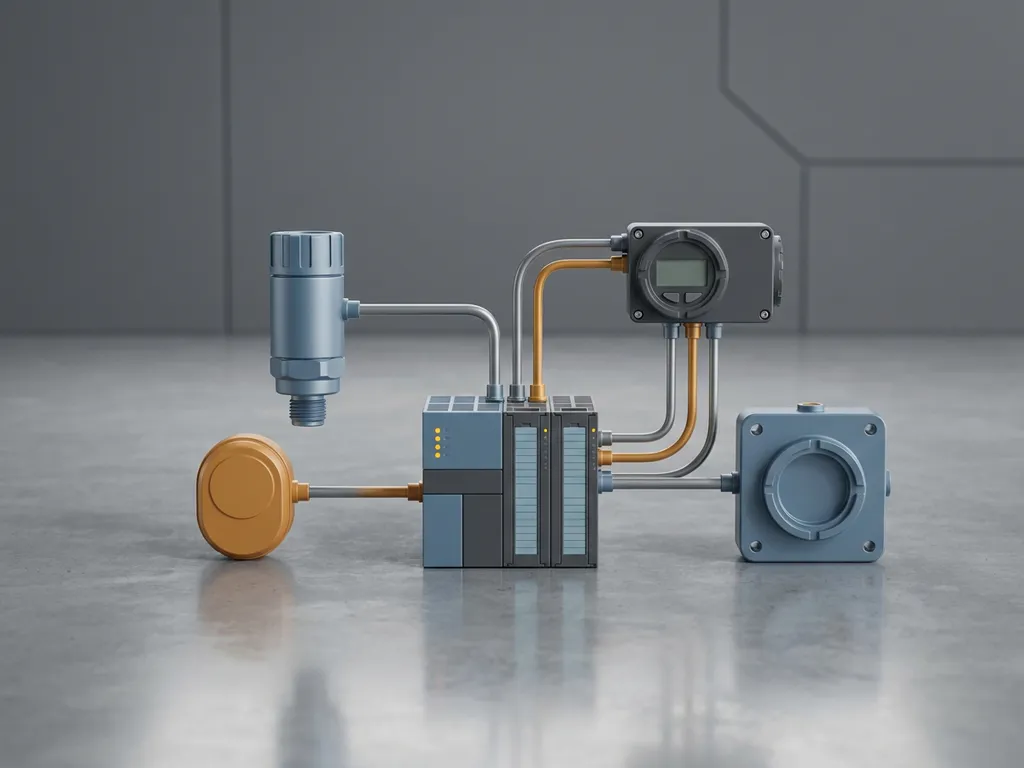
Programmable Logic Controllers are industrial computers that control manufacturing processes and machinery through programmed instructions. They replace traditional relay-based control systems with digital automation that can monitor inputs, execute logic, and control outputs in real-time industrial environments.
Companies invest in PLC systems primarily for operational efficiency and reliability improvements. These systems eliminate human error in repetitive processes, provide consistent quality control, and enable 24/7 operations without constant supervision. The automation reduces labour costs while improving safety by removing workers from hazardous environments.
Modern PLC systems also offer advanced connectivity features, allowing integration with enterprise systems for data collection and analysis. This connectivity enables predictive maintenance, real-time monitoring, and production optimisation that drives competitive advantages in today’s manufacturing landscape.
What are the main cost components when implementing PLC systems?
PLC implementation costs break down into six primary categories: hardware, software licensing, engineering services, installation labour, training, and ongoing maintenance. Hardware costs typically represent 30–40% of total project expenses, including controllers, input/output modules, and human–machine interface panels.
Software licensing varies by manufacturer and functionality requirements. Basic programming software may cost £1,000–£5,000, while advanced process automation platforms can reach £20,000–£50,000 for comprehensive licences. Engineering and programming services usually account for 25–35% of project costs.
Installation labour includes electrical work, cabinet assembly, and field wiring. Training costs cover operator instruction and maintenance staff education. Ongoing maintenance agreements typically cost 10–15% of hardware value annually but ensure system reliability and support availability.
How much should you budget for different types of PLC implementations?
Simple machine control applications typically cost £10,000–£50,000, covering basic start/stop functions, safety interlocks, and operator interfaces. These projects suit individual machines or small production lines with straightforward control requirements and minimal integration needs.
Medium-complexity systems range from £50,000–£200,000, incorporating multiple machines, data collection, and basic process optimisation. These implementations often include SCADA systems, recipe management, and integration with existing enterprise systems.
Complex process automation projects can exceed £500,000, featuring advanced control strategies, extensive I/O requirements, and sophisticated safety systems. Factors influencing pricing include system complexity, environmental requirements, redundancy needs, and integration scope. Always budget an additional 15–20% contingency for unforeseen requirements during implementation.
What hidden costs should you watch out for in PLC projects?
System integration challenges often create unexpected expenses when connecting new PLC systems with existing equipment and enterprise software. Legacy system compatibility issues may require additional hardware interfaces or custom programming that were not apparent during the initial planning phases.
Production downtime during installation represents a significant hidden cost that many companies underestimate. Even well-planned installations may require extended shutdowns for testing and commissioning. Calculate potential revenue loss and plan installations during scheduled maintenance periods when possible.
Infrastructure upgrades frequently become necessary, including electrical panel modifications, network improvements, and cybersecurity enhancements. Backup systems and disaster recovery planning add costs but prevent expensive failures. Long-term scalability considerations may require oversizing initial installations, increasing upfront costs but reducing future expansion expenses.
How do you calculate the return on investment for PLC systems?
PLC system ROI calculations should include productivity improvements, reduced downtime, labour savings, quality enhancements, and energy efficiency gains. Measure baseline performance before implementation to establish accurate comparison metrics for post-installation evaluation.
Productivity improvements often provide the largest ROI component through increased throughput, reduced cycle times, and elimination of manual processes. Quality enhancements reduce waste, rework, and customer complaints while improving product consistency and brand reputation.
Labour savings include reduced operator requirements and maintenance efficiency improvements. Energy efficiency gains from optimised process control can provide substantial ongoing savings. Most industrial PLC implementations achieve payback periods between 12 and 36 months, with complex systems taking longer but delivering greater long-term benefits.
How CoNet helps with PLC system implementation and cost optimisation
We provide comprehensive PLC implementation services that optimise costs while ensuring reliable, scalable automation solutions. Our approach focuses on transparent pricing, efficient project execution, and long-term value delivery through expert Siemens system integration.
Our cost-optimisation strategies include:
- Detailed upfront analysis to prevent scope creep and hidden costs
- Standardised design approaches that reduce engineering time
- Comprehensive project management, minimising downtime during installation
- Training programmes ensuring your team maximises system capabilities
- Ongoing support agreements providing predictable maintenance costs
Ready to explore PLC implementation costs for your specific application? Contact our automation specialists for a detailed cost analysis and implementation strategy tailored to your operational requirements.