
Industrial automation transforms manufacturing and production processes across numerous sectors, with certain industries experiencing particularly dramatic benefits. Manufacturing sectors like automotive and electronics lead adoption due to precision requirements, while process industries including chemicals, food production, and energy see substantial safety and efficiency improvements. The degree of benefit depends on factors such as production complexity, safety requirements, regulatory compliance needs, and competitive pressures within each sector.
What exactly is industrial automation and why does it matter?
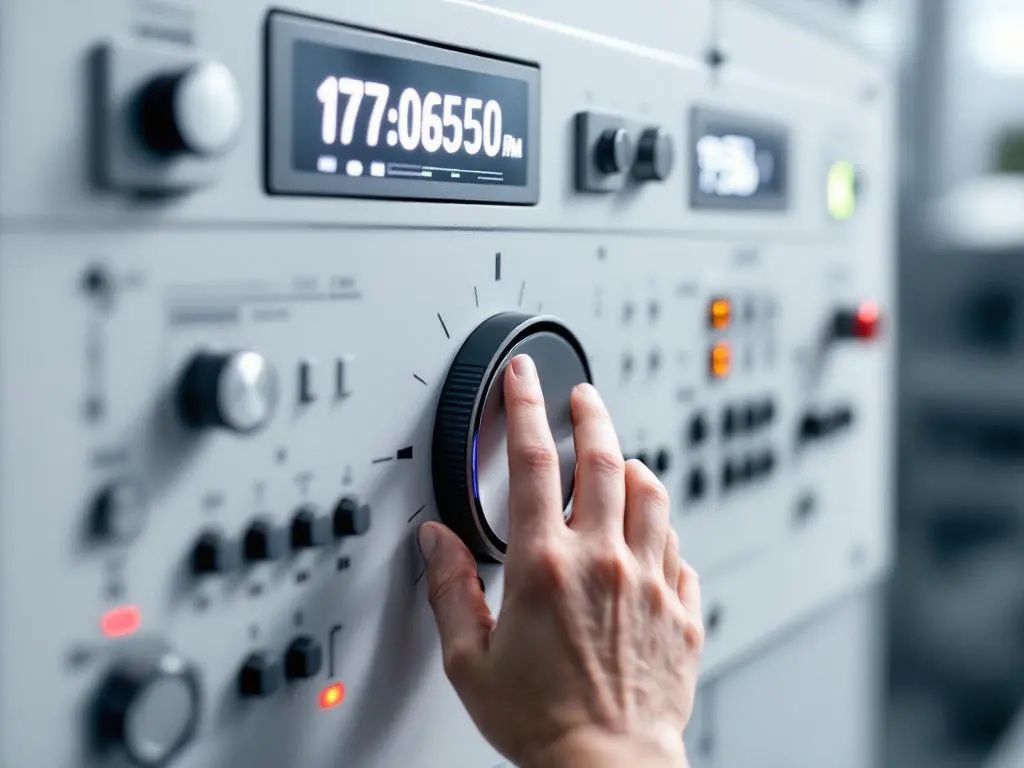
Industrial automation uses control systems, sensors, and software to operate equipment and processes with minimal human intervention. Core components include programmable logic controllers (PLCs), human-machine interfaces (HMIs), sensors, actuators, and communication networks that work together to monitor and control industrial operations.
Modern industries rely on automation for three critical reasons: competitive advantage, enhanced safety, and operational efficiency. Automated systems operate continuously without fatigue, maintain consistent quality standards, and reduce human error in hazardous environments. They enable precise control of complex processes that would be impossible to manage manually.
Automation matters because it addresses fundamental business challenges. Production costs decrease through reduced labor requirements and waste minimization. Quality improves through consistent, repeatable processes. Safety increases by removing workers from dangerous environments. These benefits compound over time, making automation essential for long-term competitiveness in global markets.
Which manufacturing industries see the biggest benefits from automation?
Automotive, electronics, pharmaceutical, and heavy manufacturing sectors experience the most significant automation benefits due to their precision requirements, high production volumes, and quality standards. These industries pioneered automation adoption and continue to drive technological advancement.
The automotive industry uses extensive robotics for welding, painting, and assembly operations. Automated systems ensure consistent quality while handling complex assembly sequences. Electronics manufacturing requires precision placement of tiny components, making automation essential for modern circuit board production.
Pharmaceutical manufacturing benefits from automation’s ability to maintain sterile conditions and precise dosing. Heavy manufacturing industries like steel and machinery production use automation for handling dangerous materials and maintaining consistent product specifications. These sectors see rapid return on investment because automation directly addresses their core operational challenges.
How does process automation transform the chemical and petrochemical industry?
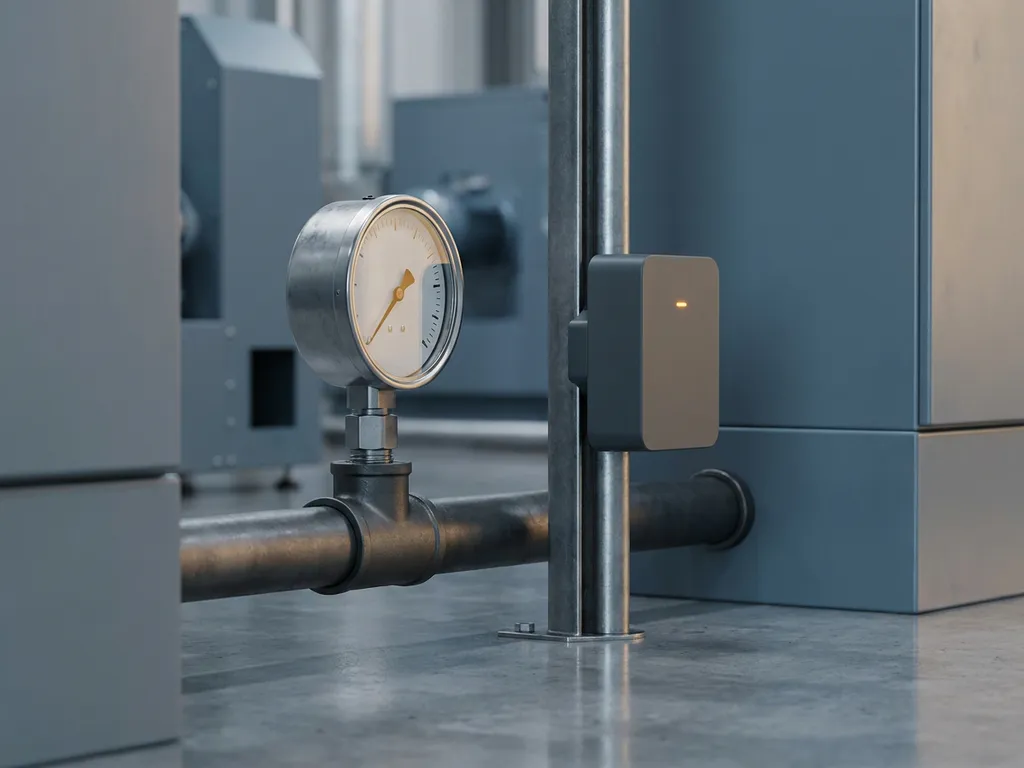
Process automation in chemical and petrochemical industries focuses on continuous production optimization, safety improvements, and regulatory compliance through advanced process control systems. These systems monitor temperature, pressure, flow rates, and chemical compositions in real time to maintain optimal operating conditions.
Safety improvements represent the most critical benefit. Automated systems can detect dangerous conditions and implement emergency shutdowns faster than human operators. They maintain safe operating parameters continuously, reducing the risk of accidents, explosions, or environmental releases.
Continuous production optimization occurs through advanced control algorithms that adjust process variables to maximize yield while minimizing energy consumption. Regulatory compliance becomes more manageable through automated documentation and reporting systems that track all process parameters and maintain detailed records for regulatory authorities.
What makes food and beverage automation different from other industries?
Food and beverage automation must address unique hygiene requirements, traceability systems, and food safety regulations that do not apply to other industries. Equipment must be designed for easy cleaning, use food-grade materials, and prevent contamination throughout the production process.
Hygiene requirements demand specialized equipment with smooth surfaces, proper drainage, and materials that withstand frequent cleaning with harsh chemicals. Automated cleaning-in-place (CIP) systems ensure consistent sanitation between production runs.
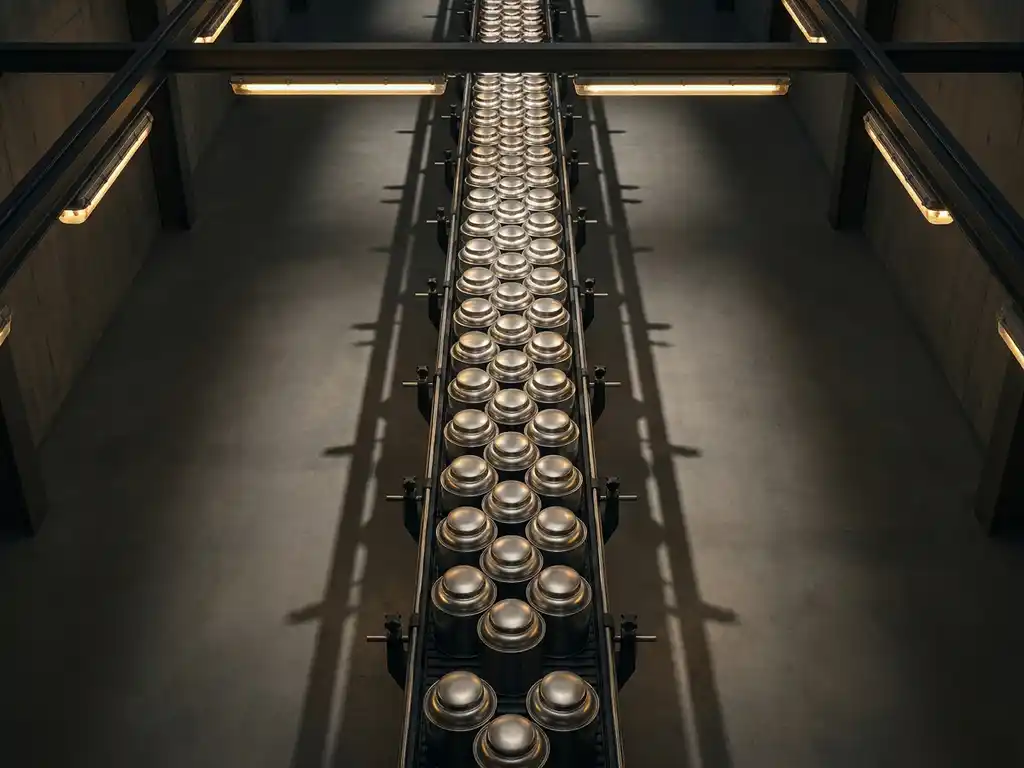
Traceability systems track ingredients from suppliers through final packaging, enabling rapid response to food safety issues. Quality control automation monitors critical control points throughout production, automatically rejecting products that do not meet specifications. Packaging automation ensures proper sealing and labeling while maintaining product integrity.
Food safety regulations drive automation adoption because automated systems provide consistent documentation and control that manual processes cannot match. Temperature monitoring, pH control, and contamination detection become reliable and verifiable through automation.
Why is energy sector automation becoming increasingly critical?
Energy sector automation enables smart grid technology, renewable energy integration, and reliable power distribution while managing increasingly complex electrical networks. Modern power systems require real-time monitoring and control that exceeds human capabilities.
Smart grid technology uses automation to balance supply and demand dynamically, integrating multiple energy sources including renewable generation. Power plant automation optimizes fuel consumption, reduces emissions, and maintains stable output despite varying demand.
Renewable energy integration requires sophisticated control systems to manage intermittent power sources like solar and wind. Distribution automation detects and isolates faults automatically, reducing outage duration and improving service reliability.
Energy companies use automation for predictive maintenance, load forecasting, and grid stability management. These capabilities become essential as electrical grids become more complex and renewable energy sources require sophisticated integration strategies.
Hoe CoNet helpt bij industriële automatisering
We specialize in Siemens-based industrial automation solutions across multiple sectors, offering comprehensive expertise in process control systems, safety implementations, and digital integration. Our focus on PCS 7 process automation and digital grid technologies provides clients with integrated solutions for their automation needs.
Our services include:
- Process automation design and implementation using Siemens PCS 7 systems
- Safety system certification and process safety specialist services
- Digital grid solutions for energy sector automation
- 24/7 support and maintenance for critical industrial processes
- Engineering consultancy for automation optimization projects
Whether you are in chemical processing, food production, energy generation, or manufacturing, we provide tailored automation solutions that address your specific industry requirements. Our team combines deep technical expertise with practical implementation experience across diverse industrial sectors.
Ready to explore how industrial automation can transform your operations? Contact us to discuss your automation requirements and discover the possibilities for your industry.